

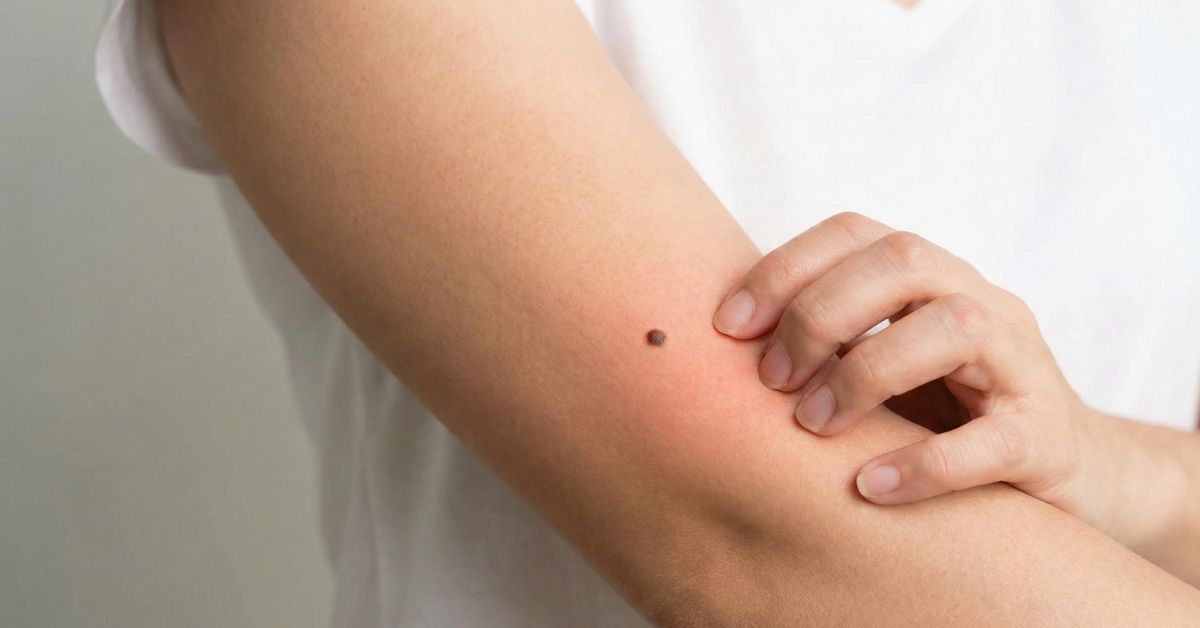
Have you ever experienced itching on a mole? This phenomenon can be a cause for concern, especially when you know it could be an indicative sign of skin cancer. Don’t panic! We will look together at the steps to take when you have an itchy mole.
What are the first reflexes to adopt?
Knowing how to react is essential for calm and effective management of the situation. When you notice itching, the first step is to carefully observe the mole in question. You can use the ABCDE self-examination to detect any suspicious signs.
Also, remember to keep your skin well hydrated. Sometimes, simple irritation or repeated friction can cause itching. Using a good moisturizer can help soothe these irritations.
What is the ABCDE self-examination?
The ABCDE self-examination is a simple technique that helps you analyze your moles. These letters represent:
- A – Asymmetry: The two halves of the mole are not identical.
- B – Border: The borders are irregular, notched, or blurred.
- C – Color: There are multiple shades of color (brown, black, red).
- D – Diameter: The mole is larger than 6 mm.
- E – Evolution: Any change in size, shape, color, or sensation.
If you notice any of the signs mentioned above, it is recommended to quickly consult a dermatologist specializing in aesthetic and anti-aging medicine for a thorough examination.
When should you consult a dermatologist?
Even though an itchy mole is not always a sign of a serious problem, certain signs should alert you. If the itching persists, is accompanied by pain, bleeding, or visible changes to the mole, it is imperative to make an appointment with a specialist. A medical consultation will allow for an assessment of whether further examinations are necessary.
The dermatologist may possibly perform a biopsy of the mole. This medical procedure involves taking a small sample of skin tissue for analysis. This procedure aims to confirm or rule out the presence of melanoma.
Possible examinations
In addition to a biopsy, other examinations may be performed according to the doctor’s opinion. These include:
- Surgical excision: complete removal of the mole, usually performed under local anesthesia.
- Dermoscopy: This is a visual examination using a dermatoscope, which allows for better visualization of subcutaneous structures.
How to prevent itching associated with moles?
Prevention is key to avoiding these skin discomforts. Opt for regular skin hydration with suitable products, especially after baths or showers. This helps maintain the elasticity and health of the epidermis.
Also, minimize the risk of irritation by choosing clothing made of soft materials, without abrasive seams on your skin. Be vigilant during activities where moles could be rubbed excessively.
Practical tips for protecting your moles
Here are some simple recommendations for taking care of your moles daily:
- Use appropriate sun protection when exposed to the sun.
- Apply moisturizing creams regularly to maintain good hydration.
- Avoid scratching or manipulating your moles.
FAQs: Itching and Moles
Why is my mole suddenly itchy?
Various factors can cause itching: dry skin, irritation from friction with clothing, or even an allergic reaction. In some cases, persistent itching may indicate a suspicious transformation, especially if accompanied by visible changes. Consult a dermatologist for an informed opinion.
Is it dangerous to scratch a mole?
Scratching a mole can cause irritation, inflammation, and a risk of infection. Furthermore, regularly manipulating a mole could mask potential signs of problematic evolution. It is therefore advisable to avoid any excessive manipulation.
How to differentiate a normal mole from a melanoma?
The ABCDE self-examination is a reliable method for identifying warning signs. Be sure to monitor for asymmetry, irregular borders, color variations, excessive diameter, and sudden evolutions. In the event of any abnormality, seek a medical consultation with a dermatologist for an accurate diagnosis.
