

Who is this procedure for?
Possible indications
Hymenoplasty can be considered by women wishing for hymen reconstruction for personal, cultural, or religious reasons.
Some patients seek the presence of a membrane during future sexual intercourse.
Others wish to restore an intimate anatomy that has been modified after an event experienced as traumatic.
Each request requires an individual analysis, without automatism or systematic indication.
Consultation process
The consultation allows for a detailed exchange, confidential and without judgment.
The clinical examination consists of observing the vulvo-vaginal area, without invasive procedures.
Feasibility depends on the presence of hymenal remnants and the quality of local tissues.
The technical principles, the possible outcomes, and the limitations of the procedure are explained precisely.
A reflection period is observed before any decision is made.
Preparation steps
Examinations and precautions
A prior medical evaluation may be requested depending on the general context.
A blood test may be prescribed to check for the absence of contraindications.
An anesthesia consultation may be organized if anesthesia other than local is considered.
Current treatments are analyzed to reduce peri-operative risks.
Technical choices and quote
The technique depends on the local morphology and the amount of available tissue.
A personalized quote is provided after the clinical evaluation.
The post-operative course and temporary restrictions are detailed before the procedure.
The procedure in practice
Anesthesia and duration
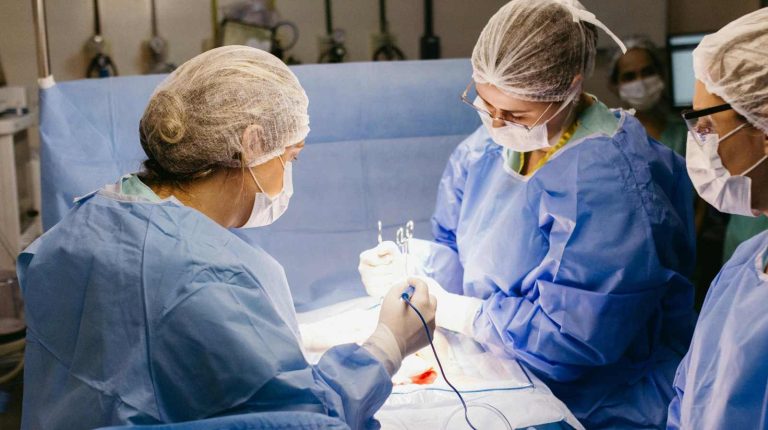
Hymenoplasty can be performed under local anesthesia, sometimes combined with sedation.
Deeper anesthesia may be considered depending on the situation.
The operating time is around thirty minutes, depending on the technique used.
The procedure is usually performed on an outpatient basis, without prolonged hospitalization.
Technical principles
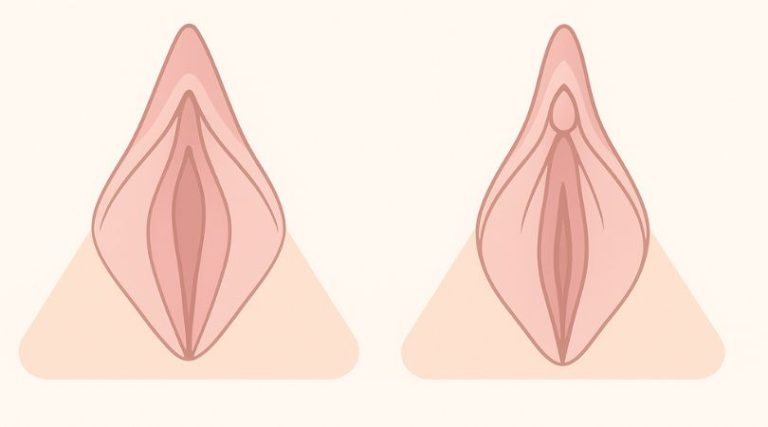
When hymenal remnants exist, they can be brought together and sutured.
In the absence of sufficient tissue, a vaginal mucosal flap can be used.
Sutures are made with resorbable threads, maintaining a functional menstrual opening.
No promise of systematic bleeding during a subsequent intercourse can be made.
Post-operative course
Pain and care
The aftermath is generally marked by moderate discomfort.
A tugging sensation or local swelling may appear temporarily.
Care involves gentle local hygiene, without aggressive antiseptic.
The threads resorb spontaneously over the weeks.
Return to activities
Sexual intercourse, the use of tampons, and intense physical exertion are temporarily avoided.
A gradual return to daily activities is expected.
A scheduled medical follow-up will monitor healing.
Results and scars
Expected result
The objective is the anatomical reconstruction of the hymen.
The result evolves over several weeks, during the time of complete healing.
The final appearance remains discreet, with no visible scars to the naked eye.
The perception of the result varies from one patient to another.
Scar quality
Internal sutures limit visible marks.
The individual tissue quality influences scar healing.
No absolute guarantee of identical results from one patient to another can be made.
Risks and possible complications
Hymenoplasty remains a surgical procedure, even if short.
Bleeding, local infection, a hematoma, or delayed healing may occur.
A partial dehiscence of the sutures remains possible, requiring monitoring.
Serious complications remain rare, although they cannot be entirely excluded.
Any post-operative anomaly should lead to a prompt medical consultation.
Fees and coverage
Hymenoplasty is considered an aesthetic or personal procedure.
No coverage by Social Security is usually provided.
The fee depends on the technical complexity and the conditions of care.
An individualized quote is provided after the preliminary consultation.