Who is this procedure for?
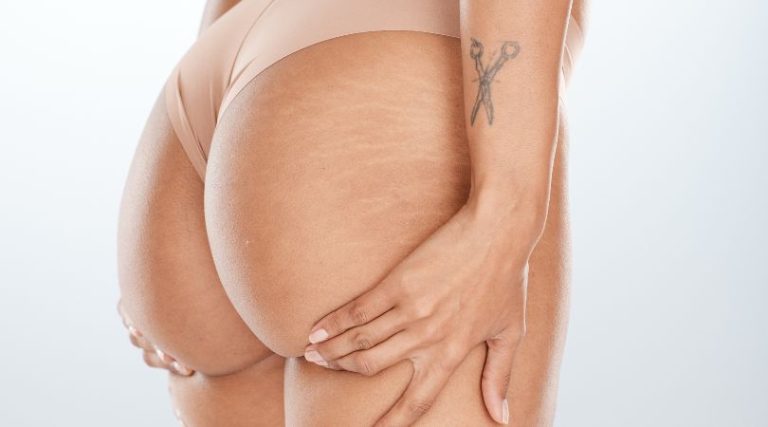
Gluteal implants are mainly for people who are thin or have an insufficiency of fatty tissue, making liposuction unsuitable.
This procedure may be suitable when the goal is a significant increase in volume or lasting projection.
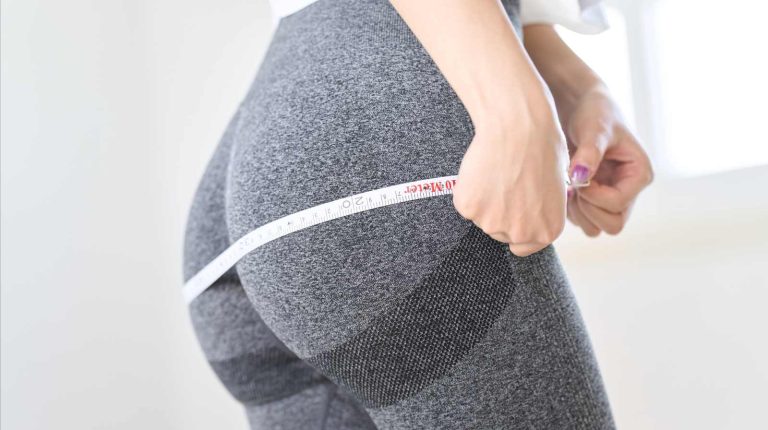
A precise morphological analysis allows for an assessment of the indication, implant size, and positioning.
Consultation process
Consultations allow you to express your aesthetic expectations, analyze your anatomy, and discuss possible technical options.
Medical photographs may be taken to document the surgical plan.
A regulatory reflection period applies before any final decision.
Preparation steps
Preparation includes a pre-operative medical assessment, usually with biological tests prescribed according to your situation.
An anesthesia consultation takes place before the procedure to assess anesthetic modalities.
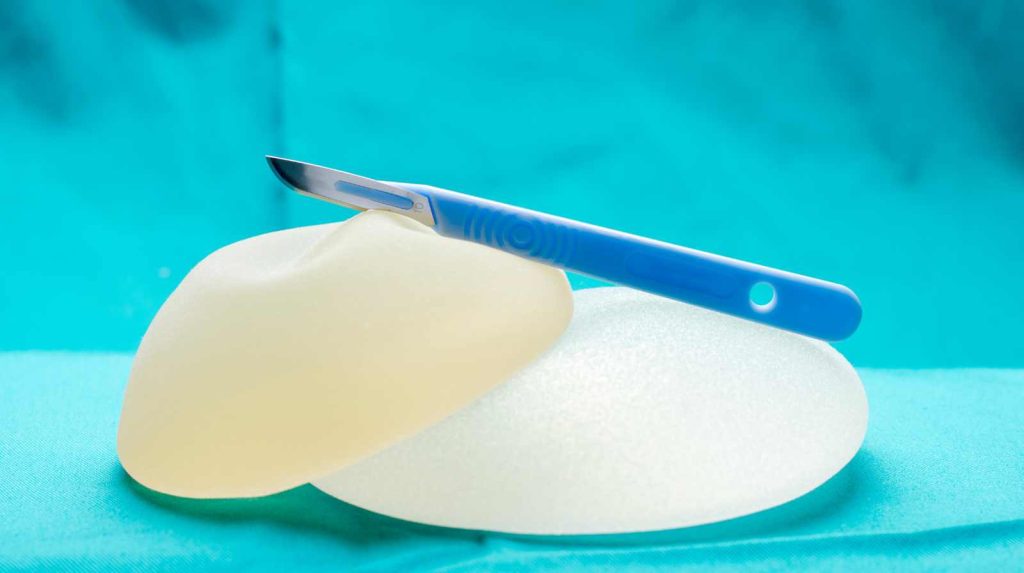
Technical choices concern the shape, volume, and position of the implants, adapted to your morphology.
A detailed quote is provided, including explanations on the post-operative recovery and post-operative constraints.
The procedure in practice
The procedure is performed under general anesthesia.
The operating time is usually between 1.5 and 2.5 hours, depending on the technique used.
A short hospital stay, often one night, may be considered depending on the care pathway organization.
The incisions are most often placed in the inframammary fold, to make the scars discreet.
The implants are generally positioned within the gluteus maximus muscle or in a deep anatomical plane, to optimize stability and aesthetic outcome.
Post-operative recovery
The recovery involves sensations of tightness and moderate to sometimes significant pain in the first few days, varying according to the implant volume.
Pain medication is used to manage post-operative discomfort.
Compression garments may be recommended to limit swelling and promote healing.
Prolonged sitting remains limited during the first few weeks.
Return to work can be considered after a rest period, often estimated between 10 and 15 days, depending on the activity.
Return to sports is gradual, frequently after 6 to 8 weeks.
Results and scars
The aesthetic result gradually becomes visible as swelling decreases.
The final result is generally appreciated between 3 and 6 months after the procedure.
The scars, hidden in the inframammary fold, evolve over several months before fading.
Satisfaction depends on the balance of volumes, symmetry, and natural integration of the implants into the silhouette.
Risks and possible complications
Like any surgery, gluteal implants carry potential risks.
These include, in particular, hematoma, infection, delayed healing, implant displacement, or persistent asymmetry.
Thromboembolic complications remain rare but require appropriate preventive measures.
Clear information allows these elements to be addressed with transparency and to set realistic expectations.
Prices and coverage
Gluteal implants are considered cosmetic surgery and are usually not covered by health insurance.
The price depends on several parameters: type of implants, operating time, costs related to the care pathway.
As an indication, the cost can start around €9,000, without contractual value.
A personalized quote is systematically provided after the pre-operative consultations.