Liposuction, also called lipoaspiration, is a cosmetic surgery procedure for body contouring that aims to remove localized fat deposits resistant to diet and exercise.
This technique relies on the selective suction of adipose tissue using fine cannulas inserted through micro-incisions in the skin.
The objective is to reshape body contours and achieve a more harmonious silhouette, not to lose weight.
Liposuction affects body shape, not overall weight.
30 min to 2 h depending on the number of areas; under local, local with sedation or general anesthesia; 3-4 mm micro-incisions placed in natural skin folds.
Results
Reshaped silhouette appreciable progressively; final result at 3-6 months; discreet scars.
Recovery
Swelling and bruising for 2-3 weeks; compression panty 4-6 weeks day and night; return to work in 5-10 days; sport in 4-6 weeks.
Pricing
From €4,000 depending on the number of areas treated ; not reimbursed by French social security.
Liposuction is for people with localized fat deposits despite weight stability and a balanced lifestyle. Frequently affected areas include the abdomen, flanks, hips, saddlebags, thighs, knees, arms, back, or double chin. Good skin elasticity is essential for the quality of the result and guides the indication. This procedure does not treat obesity and is not intended for weight loss.
Consultation process
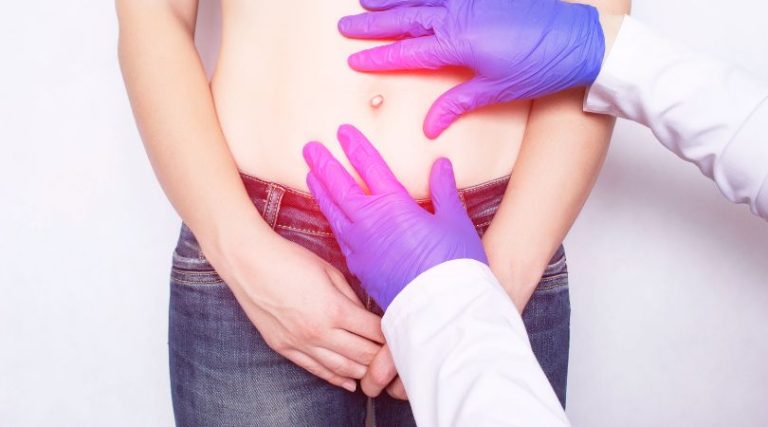
Pre-operative consultations allow for an analysis of body shape, fat distribution, and skin quality. Expectations are discussed to assess the coherence of the project and technical feasibility. Medical photographs may be taken to document the initial situation. A mandatory reflection period applies before any decision is made.
Preparation and pre-operative assessment
Preparation includes a biological assessment, an anesthesia consultation, and an analysis of medical history. Certain medications may require temporary discontinuation, according to medical advice. The technical choice depends on the areas treated, the volumes to be aspirated, and tissue quality. A detailed quote is provided, along with precise explanations of the expected post-operative course.
The procedure in practice
Liposuction is performed under local anesthesia, sedation with anesthesia, or general anesthesia, depending on the extent of the procedure. The operating time usually ranges from 30 minutes to 2 hours, depending on the number of areas. The procedure takes place in an authorized facility, separate from the consultation rooms. The technical principle involves tumescent infiltration, followed by controlled aspiration respecting anatomical planes.
Post-operative course
The post-operative period includes the appearance of swelling and bruising, which vary depending on the areas treated. The pain experienced generally resembles muscle soreness, often well-controlled with simple pain medication. Wearing compression garments promotes skin retraction and reduces swelling. A return to professional activities can be considered after a few days, depending on individual circumstances.
Results and scars
The scars correspond to millimeter-sized incisions, hidden in natural folds. The result is appreciated gradually, with visible improvement after the swelling subsides. The maturation of the result generally takes three to six months. The achieved reshaping aims for overall harmony while respecting the initial body shape.
Risks and potential complications
Like any surgical procedure, liposuction carries potential risks. Possible complications include hematomas, surface irregularities, asymmetries, temporary sensory disturbances, or infection. Rigorous selection of indications and regular post-operative follow-up help prevent these events. Each situation is assessed individually during consultations.
Fees and coverage
Liposuction is considered cosmetic surgery, without automatic coverage by Social Security. Rare specific medical situations may justify a request for prior authorization, under strict conditions. Fees vary depending on the number of areas, technical complexity, and operating time, starting from €4000. An indicative price range is provided during the consultation, along with a personalized quote.
The different types of liposuction
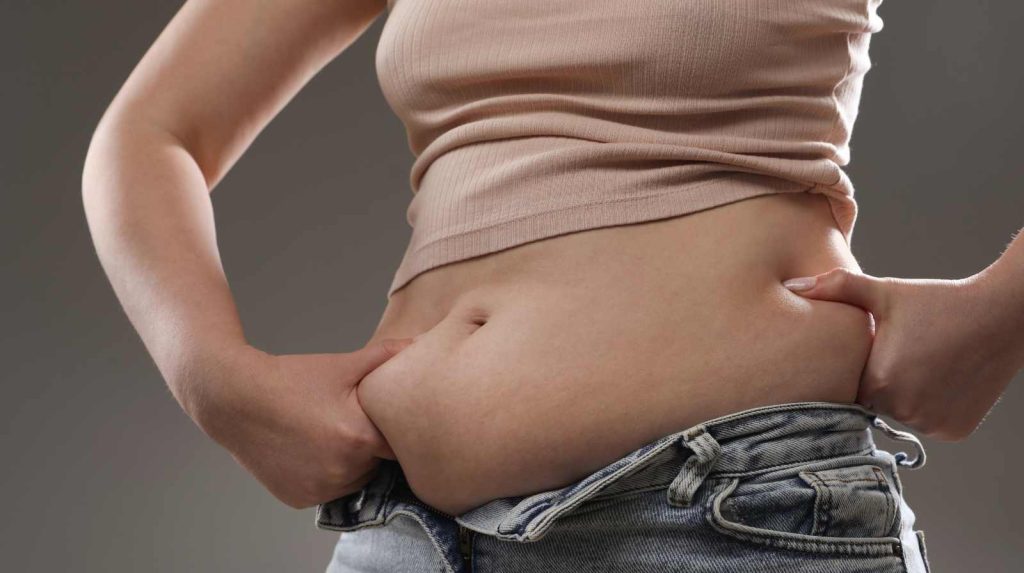
Liposuction of the abdomen : Abdominal liposuction aims to reduce localized fat deposits in the abdominal area.
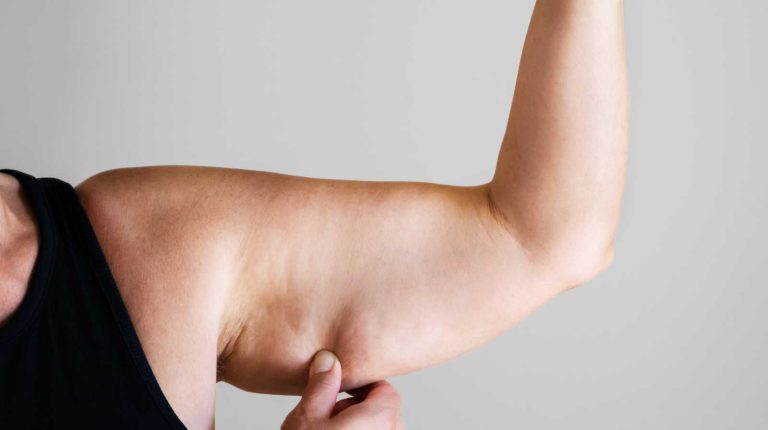
Arm liposuction Paris 16th : Arm liposuction aims to reduce localized fat deposits responsible for a thickened or irregular appearance.
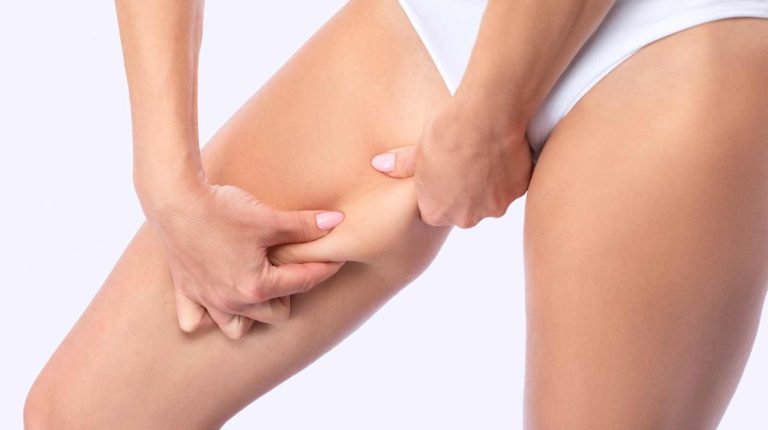
Thigh liposuction : Thigh liposuction aims to reduce localized fat deposits that are resistant to diet and exercise.
Liposuction of the hips and love handles : Love handle liposuction aims to reduce localized fat deposits located on the flanks, between the abdomen and the lower back.
Abdominal etching : Abdominal etching, also called high-definition liposuction, aims to sculpt the muscular contours of the abdomen.
Feedback
★★★★★5,0 · Verified Google reviews, most recent first
G
georges cordat
★★★★★Rating: 5 out of 5
Très bonne prise en charge et intervention très bien réalisée. Très satisfait. Merci.
Google profile: Dr Nathanel Edery
E
Elisabeth GUIRAUD
★★★★★Rating: 5 out of 5
Chirurgien très à l’écoute de ses patients et d’un grand professionnalisme .
Google profile: Dr Nathanel Edery
N
Naima Naitchikhe
★★★★★Rating: 5 out of 5
Un grand merci au Docteur Edery et à son assistante pour leur professionnalisme exemplaire. L'intervention a été rapide et s'est très bien déroulée. Le docteur est extrêmement gentil et bienveillant, et son assistante est tout simplement au top, accueillante et rassurante. Je recommande ce cabinet les yeux fermés !
Google profile: Dr Nathanel Edery
A
Aurelia Moutien-Cally
★★★★★Rating: 5 out of 5
Un professionnel doté de la précision d’un orfèvre. Au-delà de ça, c’est son humanité qui fait toute la différence : une patience infinie, une gentillesse sincère, une disponibilité et un accompagnement précieux.
Une personne merveilleuse m’avait recommandé ce chirurgien tout aussi merveilleux. Comme quoi, les belles rencontres nous relient les uns aux autres.
À mon tour de passer le relais à qui voudra le saisir. Certaines recommandations sont de véritables cadeaux. Celle-ci en était un.
Merci infiniment, Docteur Edery !
Google profile: Dr Nathanel Edery
A
Anna Bejaoui
★★★★★Rating: 5 out of 5
Médecin rigoureux, attentif et particulièrement pédagogue. Ses explications sont claires et précises, toujours formulées avec justesse, et surtout sans jamais être infantilisantes. Une prise en charge à la fois rassurante et très agréable. Je le recommande vivement.
Google profile: Dr Nathanel Edery
C
Corinne MANCHON
★★★★★Rating: 5 out of 5
Pleinement satisfait de cette opération et du Docteur Edery