Who is this procedure for?
Medical indications
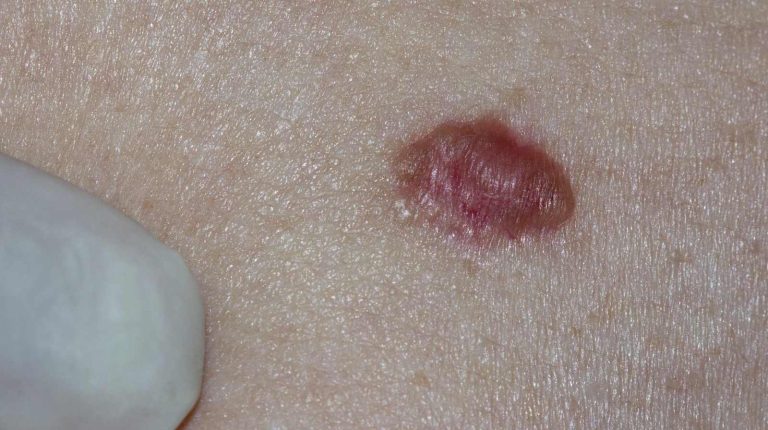
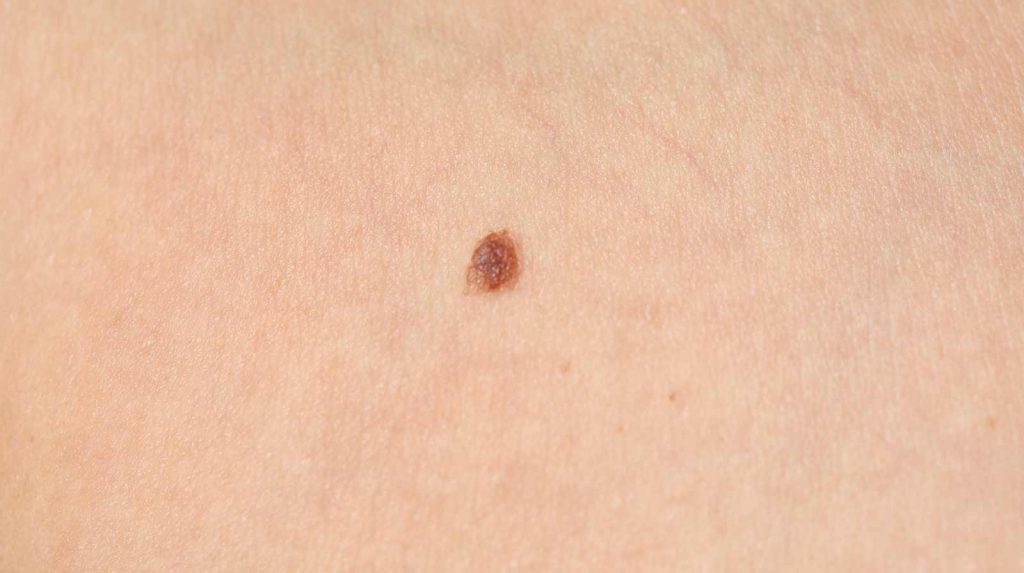
This procedure is for patients with histologically confirmed cutaneous melanoma.
It concerns melanoma in situ and invasive melanoma, depending on their thickness.
The surgical decision is based on international medical recommendations.
The dermatological context and personal history influence the indication.
Consultation process
Management begins with a specialized consultation after diagnostic biopsy.
You will discuss the type of melanoma, its thickness, and its location.
The principle of safety margins will be explained in detail.
The post-operative course, follow-up, and risks will be discussed transparently.
Preparation and pre-operative examinations
Necessary examinations
A complete skin examination is performed before the procedure.
The histopathology report guides the choice of surgical margins.
Further tests may be proposed depending on the suspected stage.
Each step is adapted to your individual medical situation.
The reconstruction after excision (direct closure, flap or graft) is planned at the same time.
Technical choices and pre-operative information
The type of excision depends on the Breslow index and location.
The options for direct closure, flap, or graft will be explained.
A detailed estimate will be provided when the procedure goes beyond the reimbursed scope.
The expected post-operative course will be presented before any decision is made.
The procedure in practice
Anesthesia and duration
Excision is most often performed under local anesthesia, sometimes regional.
Broader anesthesia may be considered depending on the surgical extent.
The duration varies depending on the lesion size and reconstruction technique.
The procedure is performed on an outpatient basis in most cases.
Technical principles
The melanoma is removed with a standardized skin margin.
This margin varies according to the histological stage of the tumor.
The surgical specimen is systematically sent for histopathological analysis.
Closure aims for a balance between oncological safety and scar outcome.
Post-operative course
Pain and care
The post-operative period involves moderate pain, controlled with simple analgesics.
An appropriate dressing will be applied depending on the operated area.
Local care follows a precise protocol communicated after the procedure.
Scar monitoring will be organized from the first few days.
Return to activities and follow-up
Resumption of daily activities will be gradual.
Mechanical stress on the operated area will be temporarily limited.
A follow-up appointment will allow for scar assessment.
Dermatological follow-up will be long-term.
Results and scars
Expected result
The desired result is the complete removal of the melanoma.
Confirmation relies on histological analysis of the margins.
The scar will evolve over several months.
Its appearance depends on the location and the technique used.
Scar quality
The scar will initially be inflamed, then gradually lighten.
Specific treatments may be offered to improve its appearance.
Each skin heals according to individual parameters.
Satisfaction is based on medical safety and aesthetic outcome.
Risks and possible complications
Surgical complications
As with any surgery, complications are possible.
These include bleeding, infection, and delayed healing.
Re-operation may be necessary if margins are insufficient.
These situations will be closely monitored.
Risk of recurrence
The risk of recurrence depends on the type of melanoma and its initial stage.
Adhering to margins significantly reduces this risk.
Regular dermatological follow-up remains essential.
Monitoring is part of a comprehensive prevention strategy.
Fees and coverage
Reimbursement
Melanoma excision is usually covered by medical insurance.
Social Security covers the procedure according to current regulations.
Some additional costs may apply depending on the context.
These details will be clarified during consultations.
Indicative price range
When reconstructive procedures for aesthetic purposes are associated, an estimate may be provided.
Fees vary depending on the technical complexity and location.
No standard amount can be given without prior evaluation.
Each situation will receive individualized information.