Who is this procedure for?
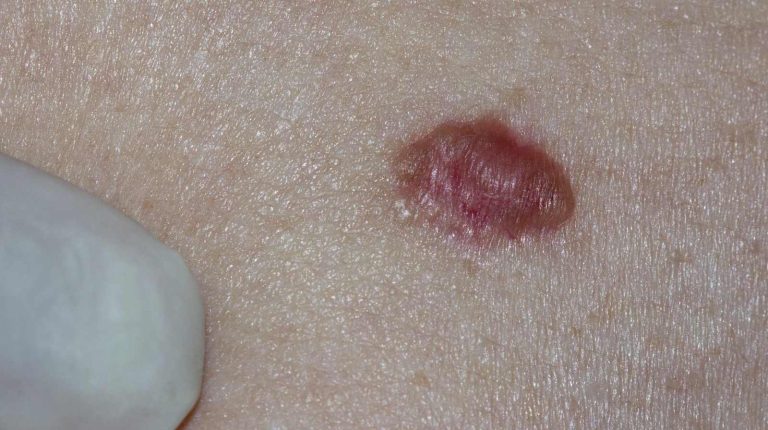
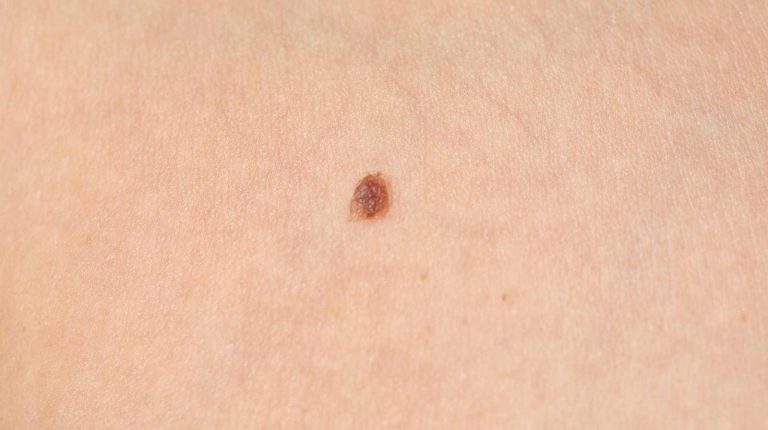
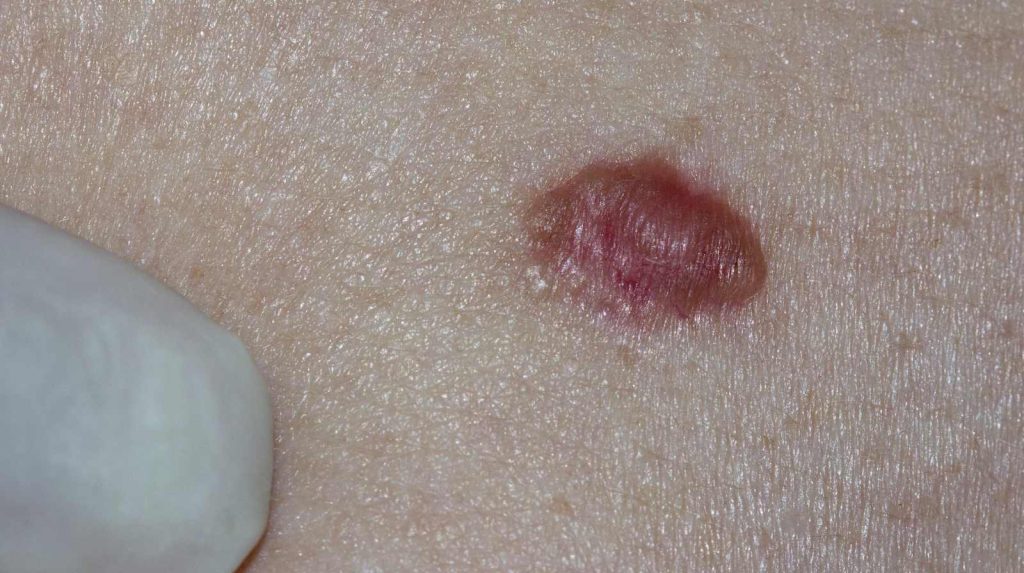
This procedure is intended for patients who have been clinically diagnosed with basal cell carcinoma, confirmed by dermatological examination, sometimes supplemented by a skin biopsy. You may be concerned if the lesion is located on a sun-exposed area such as the face, scalp, neck, or limbs. Indications are based on the size, location, histological subtype, and evolution of the lesion. Some superficial forms may have non-surgical alternatives, according to specialist advice.
Consultation Process
Management begins with a specialized consultation to analyze the lesion, its context of appearance, and your skin history. The clinical examination may include dermatoscopy to clarify the contours. A prior biopsy may be performed if the diagnosis has not been formally established. Consultations explain the principle of excision, the planned technical methods, and the expected outcomes.
Preparation Steps, Necessary Examinations, Technical Choices, Quotes, Explanations of Outcomes
Preparation involves a standard medical evaluation and verification of current treatments. Depending on the case, a temporary cessation of certain medications may be discussed. The technical choice depends on the depth, shape, and anatomical area concerned. A detailed quote is provided when the procedure is not fully covered. The post-operative course, healing, and monitoring are explained before the procedure.
The Procedure in Practice
Anesthesia, Duration, Hospitalization, General Technical Principles
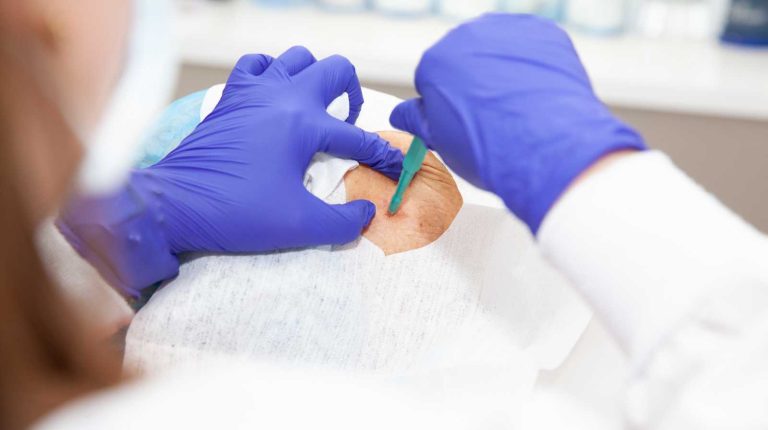
Excision is most often performed under local anesthesia. The duration depends on the size of the lesion and the type of skin repair required. The procedure involves removing the tumor with a margin of healthy skin, usually elliptical. The removed tissues are sent for pathological analysis to verify the quality of the margins. Hospitalization is usually not required.
Post-operative Course
The aftermath includes moderate local discomfort, sometimes associated with temporary swelling. Daily local care is prescribed to promote healing. Resumption of activities is gradual, depending on the operated area. A scheduled medical follow-up allows for monitoring of scar evolution and discussion of definitive histological results.
Results and Scars
The expected result is based on complete excision confirmed by margin analysis. The scar evolves over several months and tends to fade over time. Its appearance depends on the initial size, the closure technique, and individual skin characteristics. The final assessment is made after a period of scar maturation, which can take several months.
Risks and Possible Complications
Like any surgical procedure, this intervention carries risks, although infrequent. These include local infection, bleeding, delayed healing, or a scar with a less favorable appearance. Local recurrence remains possible, particularly depending on the histological subtype. Clear information and regular monitoring contribute to the prevention and early management of these situations.
Fees and Coverage
The excision of basal cell carcinoma is most often a medical indication. Coverage by health insurance may be considered according to current regulations, with potential supplementary coverage by your mutual insurance. Certain associated procedures or specific techniques may result in a out-of-pocket expense, specified in the quote provided before the procedure.