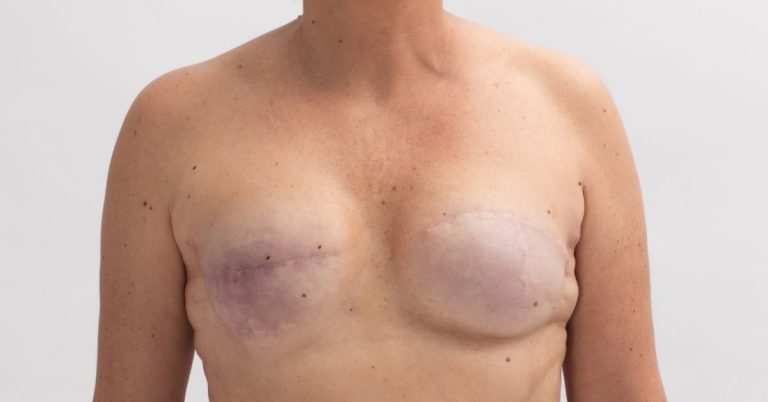
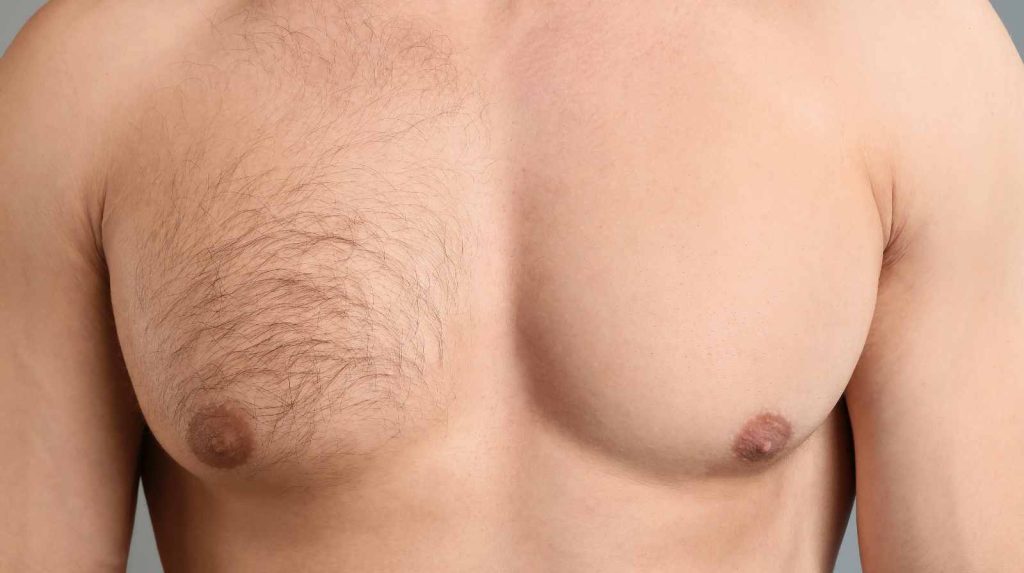

Who is this procedure for?
Gynecomastia surgery is for men who have a persistent enlarged chest, despite exercise or a healthy lifestyle.
It concerns glandular, fatty (adipomastia), or mixed forms.
The discomfort can be aesthetic, psychological, and sometimes physical, with local sensitivity.
The procedure is considered after puberty, when the chest has stabilized.
A preliminary assessment helps rule out hormonal or medication-related causes.
Consultation process
The consultation allows for an analysis of the nature of the breast volume, the quality of the skin, and the symmetry of the chest.
You will discuss your expectations, your medical history, and your lifestyle.
Further examinations may be requested to refine the indication.
The technical options, possible scars, and post-operative recovery will be explained.
A personalized quote will be provided, in accordance with regulations.
Preparation steps and necessary examinations
A breast imaging assessment is generally requested to clarify the glandular component.
A biological assessment and an anesthesia consultation are required before the procedure.
Smoking cessation is recommended to minimize healing problems.
Certain medications must be temporarily stopped, as advised by a doctor.
Post-operative instructions will be explained to you before the procedure.
The procedure in practice
The procedure takes place in the operating room, in an authorized facility.
It is most often performed under general anesthesia, sometimes under local anesthesia for limited cases.
The duration varies depending on the technique, generally between one hour and one hour and a half.
The surgery may combine liposuction, gland removal, and sometimes skin resection.
Hospitalization is most often outpatient, with discharge on the same day or the next.
Post-operative recovery
Recovery involves temporary swelling, bruising, and soreness.
Pain is generally moderate, managed with simple pain medication.
Wearing a chest compression garment is prescribed for several weeks.
The return to daily activities is gradual, with sports deferred.
Regular post-operative follow-up monitors healing and the evolution of the results.
Results and scars
The result is visible quickly, with a clear improvement in the chest contour.
The final appearance is assessed after the complete resolution of swelling, within a few months.
Scars are adapted to the technique used and are made to be as discreet as possible.
They evolve gradually, with maturation over several months.
The majority of patients report high satisfaction, related to the regained comfort.
Risks and possible complications
Like any surgery, gynecomastia carries rare but possible risks.
These include hematoma, infection, delayed healing, or contour irregularities.
Temporary sensation disturbances may occur around the areola.
A revision procedure may be considered if the initial result is incomplete.
All these situations are explained during the consultation, with transparent information.
Fees and coverage
Gynecomastia falls under the Breast Surgery category.
The fee is determined by quote, based on the necessary procedures.
Partial coverage by health insurance may be considered in cases of glandular excision, under certain conditions.
Cases involving only liposuction are considered cosmetic surgery.
A detailed quote will be provided before any decision is made.