Cellulite affects women far more often than men, and few skin concerns generate as much frustration. So what actually produces that dimpled texture? Here are the factors involved, and what each of them does.
What Exactly Is Cellulite?
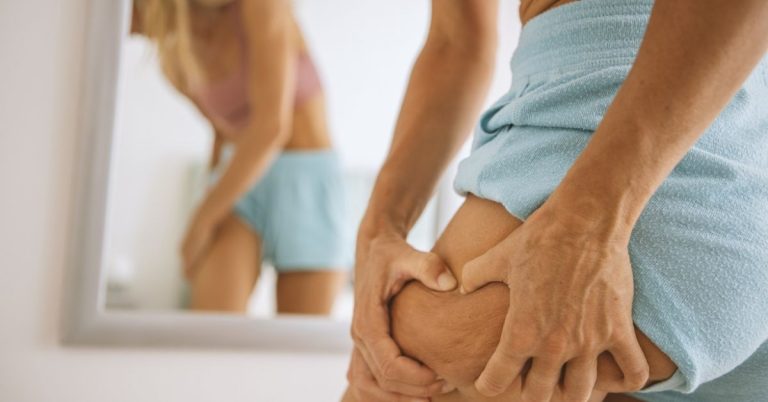
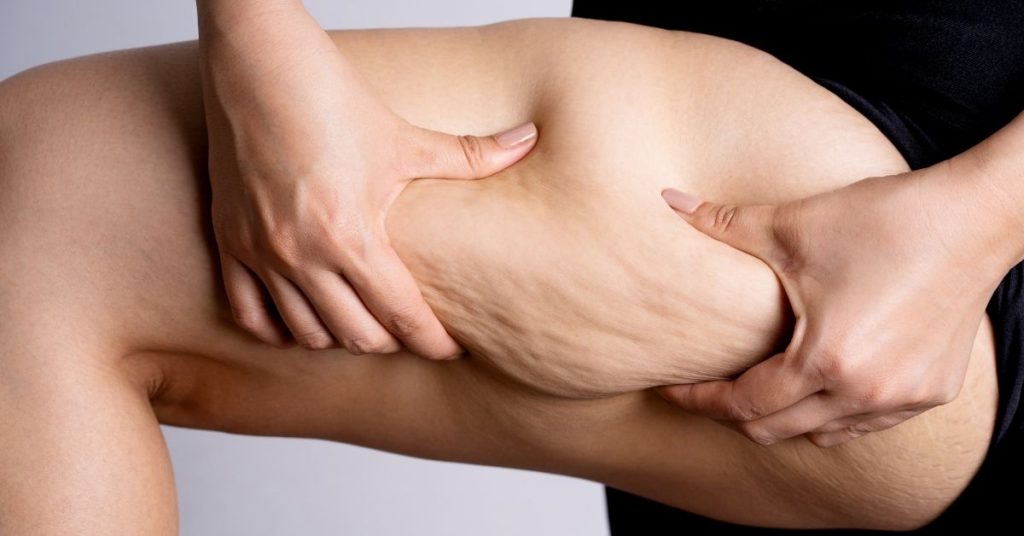
Start with the appearance itself. Cellulite shows up as visible dimpling on the skin’s surface, commonly compared to orange peel. It is detected mainly on the thighs and buttocks, sometimes on the abdomen.
Medically, cellulite results from changes in the subcutaneous adipose tissue. As that tissue accumulates fat, it pushes against the connective tissue, and the irregularities become visible to the naked eye. Excess fat alone does not explain it: the fat cells reorganise.
The Main Factors Responsible for Cellulite
Poor Blood Circulation
Poor blood circulation weighs heavily in the development of cellulite. Sluggish circulation limits nutrient delivery to the tissues and slows toxin elimination, which creates an environment where fat accumulates and the bumpy appearance sets in.
Think of the hours spent sitting or standing without moving. That immobility promotes blood stagnation and worsens the picture. Regular physical exercise improves circulation and reduces the effect. Further reading on the link between poor blood circulation and cellulite is available in a detailed article on the subject.
Water Retention
Water retention is the second determining factor. Excess fluid in the interstitial spaces worsens the appearance of cellulite. Dietary or hormonal imbalances predispose some people to it, as does excessive salt intake.
To counter water retention, stay hydrated and eat plenty of water-rich fruits and vegetables. Exercise helps too, by stimulating lymphatic drainage. A comprehensive overview of treatments that influence water retention covers this in more depth.
Unbalanced Diet
Diet weighs on the appearance of cellulite as much as anything else. An unbalanced diet rich in refined sugars, poor-quality fats, and processed foods accelerates adipose tissue accumulation, and those foods generate metabolic waste that feeds local inflammation.
Favour fibre, lean protein, and essential fatty acids instead. Consistent eating habits maintain an appropriate weight and limit cellulite formation.
Fat Accumulation
Excessive fat accumulation naturally accentuates cellulite. Worth distinguishing, though: normal fat storage serves our biological functions, whereas the surplus produces these unsightly bumps.
Keeping a healthy body mass index (BMI), together with regular physical activity, reduces those surplus deposits significantly.
Adipose Tissue Modification
Intrinsic changes in the structure of adipose tissue alter the skin’s appearance. Collagen decreases with age, the skin loses firmness, and fat pushes towards the surface more easily.
Stimulating natural collagen production through a diet enriched with vitamin C and proline, combined with exercise, strengthens skin elasticity.
Hormonal Imbalances
Hormones carry major weight here, estrogen above all. Hormonal fluctuations, especially around menopause, stimulate water retention and alter deep adipose tissue.
Assessing your hormonal balance in consultation helps with this problem and with overall well-being at the same time.
Genetic Factors
Our genes partly determine our predisposition to cellulite. If your parents have it, you may have inherited a constitution that favours its appearance. That does not condemn you to it, but a significant family history is a reason to be more consistent with your habits.
A healthy lifestyle and regular sport counteract this genetic predisposition.
Sedentary Lifestyle
A sedentary lifestyle compounds poor blood circulation and fat accumulation. Muscles lose tone when inactive, and the areas prone to cellulite become more apparent.
Build movement into the day wherever you can: take the stairs, walk regularly, and break up long stretches of sitting.
The Influence of Estrogen and Menopause
Estrogen is vital to many bodily functions and has a marked effect on cellulite: it stimulates fat storage in the female body. The effect intensifies during major hormonal shifts such as puberty or pregnancy, when estrogen production peaks.
At menopause, the sharp drop in these hormones weakens the skin’s support structure and raises the risk of cellulite appearing or worsening. Good lifestyle habits during this period do a remarkable amount to limit that.
Impact of Inflammation
Chronic inflammation is easy to overlook, yet it feeds the process. It stems from continuous exposure to low levels of dietary toxins, from stress, from smoking, and from obesity.
Reducing exposure to these agents and adopting an anti-inflammatory diet rich in omega-3s, magnesium, and antioxidants supports the immune system and visibly reduces the inflammatory component.
How to Reduce Cellulite Daily?
No miracle solution exists, but a few habits make a genuine difference. Hydration comes first: drinking enough water supports normal bodily function and helps combat water retention.
Then comes regular, adapted physical activity. Swimming, cycling, and brisk walking are all excellent for toning and drainage.
- Adopt a balanced and varied diet.
- Limit caffeine and alcohol consumption.
- Use firming creams containing active ingredients that improve microcirculation.
Formation and Prevention: A Series of FAQs
Is it possible to completely eliminate cellulite?
Completely eliminating cellulite is generally not achievable as it is often influenced by genetic and hormonal factors. However, methods such as a balanced diet, regular exercise, and certain professional treatments can significantly reduce its appearance.
What exercises are recommended to reduce cellulite?
Activities that boost circulation are beneficial, including:
- Swimming, an excellent choice for strengthening muscles without stressing joints.
- Cycling, ideal for targeting the legs and buttocks.
- Brisk walking, accessible to everyone and effective for improving circulation.
What role does nutrition play in reducing cellulite?
A balanced diet provides the necessary nutrients to maintain skin health and prevent water retention. Avoid refined sugars and saturated fats in favor of natural fibers found in legumes, whole grains, and green vegetables.