
Who is this procedure for?
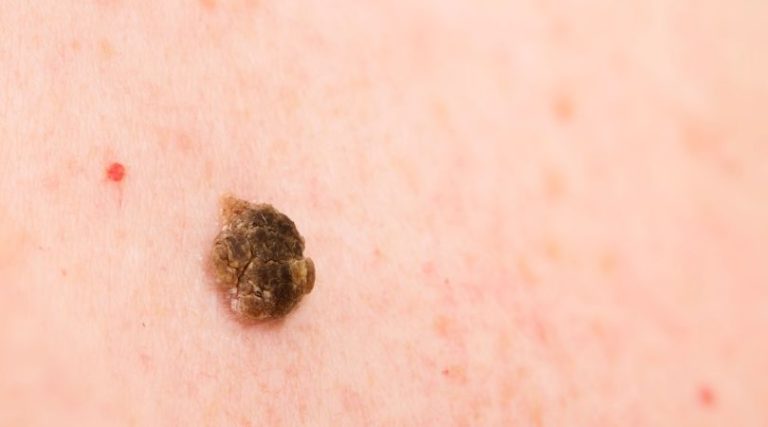
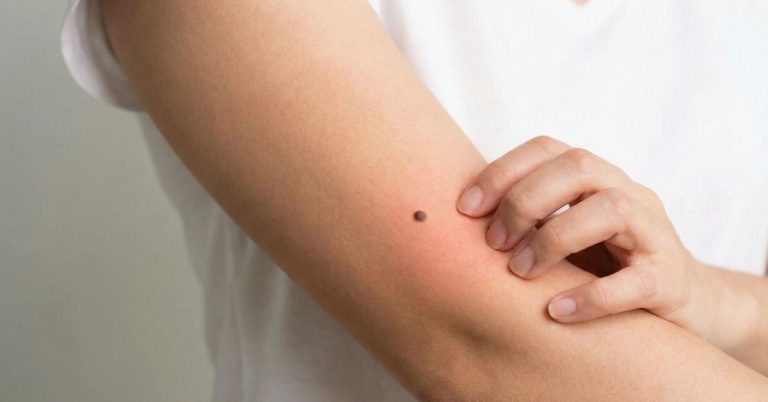
This procedure is intended for people with a suspicious mole, a changed, irritated, or bothersome one.
Removal may be considered in cases of functional discomfort due to repeated friction.
An indication may also be discussed in the presence of observed clinical changes.
You will benefit from a dedicated consultation to analyze the relevance of the procedure.
Consultation process
The consultation involves a precise clinical examination of the mole(s).
A dermatoscopic examination may be performed to refine the analysis.
The observed evolutionary criteria guide the proposed strategy.
A complete explanation of the possible options will be given to you before any decision is made.
Preparation steps and necessary examinations
A prior evaluation determines the safety of the procedure and the technique chosen.
Additional examinations may be proposed depending on the appearance of the mole.
The technical choice depends on the location, volume, and suspicious nature.
A detailed quote will be provided to you, with information on possible aftercare.
The procedure in practice
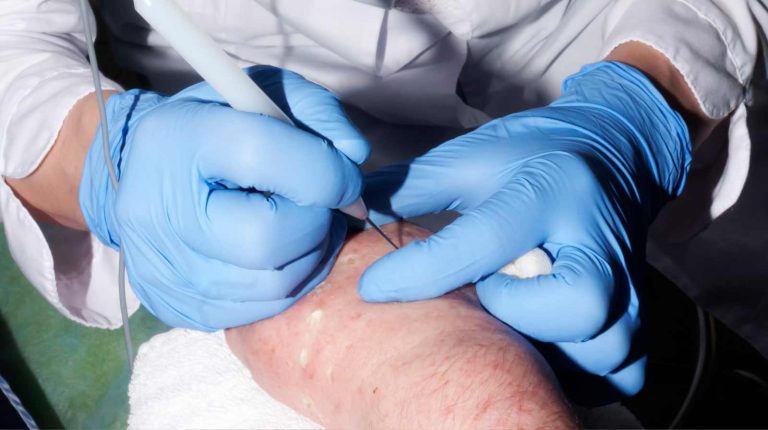
The procedure can be performed under local anesthesia in most situations.
The duration generally remains short, often less than 30 minutes.
Outpatient care is usually considered.
The technical principles are based on a complete excision of the mole concerned.
Post-operative care
Pain often remains moderate and can be relieved by usual painkillers.
Simple local care is generally prescribed during healing.
The resumption of daily activities can be rapid depending on the treated area.
Post-operative follow-up allows for monitoring of good skin healing.
Results and scars
The expected result is the complete removal of the mole.
Scar healing takes place over several weeks to months.
The quality of the scar depends on the area, the technique, and the skin.
Progressive satisfaction is usually observed after skin maturation.
Risks and possible complications
Any procedure carries potential risks, even if rare.
Bleeding, local infections, or delayed healing may occur.
A hypertrophic scar or pigmented scar remains possible depending on the individual.
Transparent information allows you to approach the procedure with reassurance.
Fees and coverage
Coverage may be considered when the indication is medical.
Reimbursement then depends on the criteria set by social security.
When the procedure is for an aesthetic request, reimbursement is not usually provided.
An indicative price range will be communicated to you during the consultation.