
Who is this procedure for?
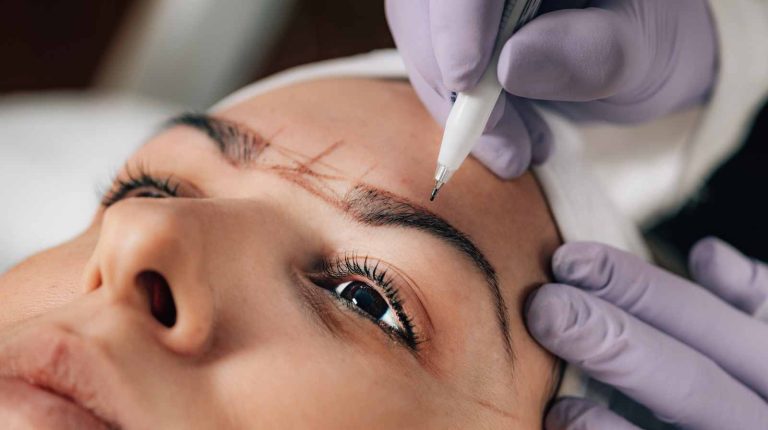
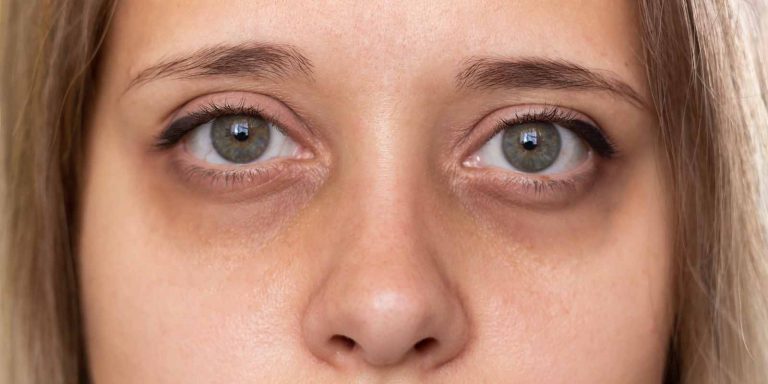
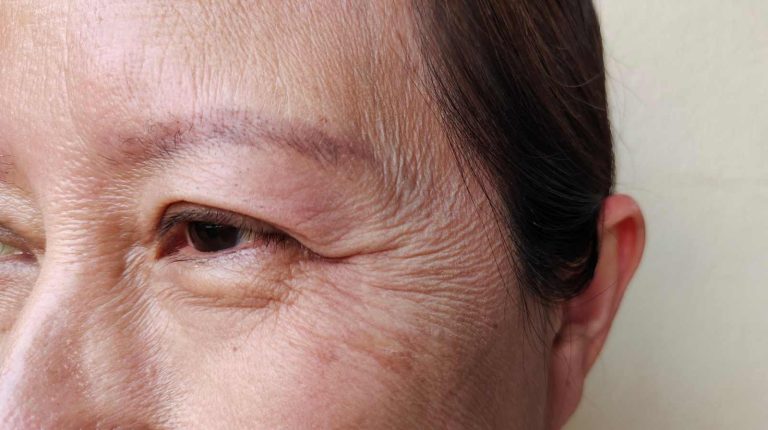
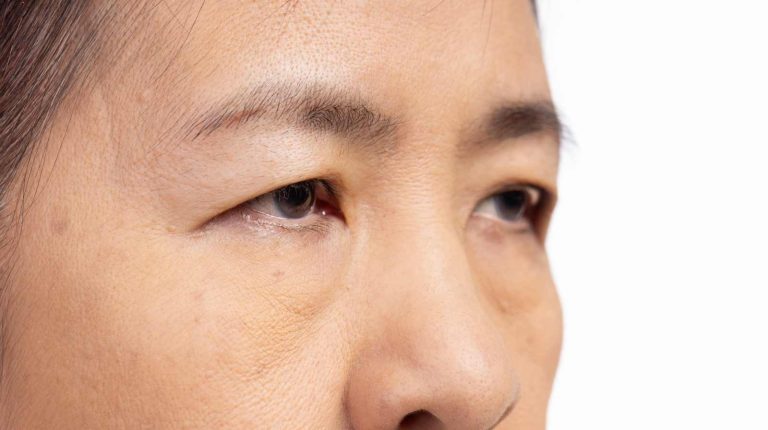
Blepharoplasty is for people presenting:
- drooping upper eyelids with visible excess skin,
- under-eye bags related to fatty hernias,
- a tired look not corrected by medical treatments,
- eyelid asymmetries, whether congenital or acquired.
This procedure can be performed on both women and men, without strict age criteria.
A thorough medical consultation will confirm the surgical indication.
In some situations, a non-surgical alternative may be discussed.
Consultation Process
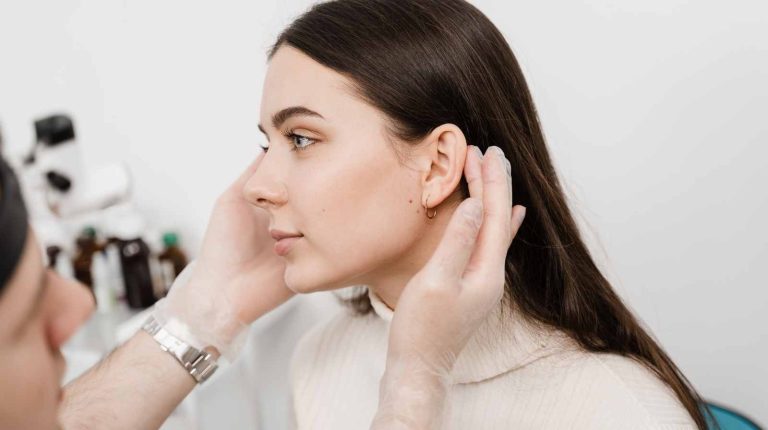
The process begins with a specialized consultation in aesthetic surgery.
It starts with an analysis of the skin quality, fat distribution, eyelid position, and eye dynamics.
An ophthalmological examination may be requested depending on the medical context.
The possible techniques, the limitations of the procedure, and the expected recovery will be explained.
A detailed quote will be provided, respecting the current medical legal waiting period.
Blepharoplasty is one of several eyelid surgery options, chosen according to this analysis.
Preparation Steps and Necessary Examinations
Before the procedure, several steps are necessary:
- a pre-operative medical assessment tailored to your health status,
- an anesthesia consultation if anesthesia other than local is planned,
- discontinuation of medications that promote bleeding, as advised by your doctor,
- specific instructions regarding smoking and skin hygiene.
The technical choice depends on the type of eyelid, the amount of skin to be removed, and the presence or absence of fatty bags.
The Procedure in Practice
Anesthesia
Upper blepharoplasty can be performed under local anesthesia.
Lower blepharoplasty most often requires general or twilight anesthesia, for comfort and safety reasons.
Duration and Hospitalization
The duration varies depending on the number of eyelids treated.
The procedure is generally performed as outpatient surgery, with discharge on the same day.
The surgery is not performed in the office but in an appropriate surgical facility.
Technical Principles
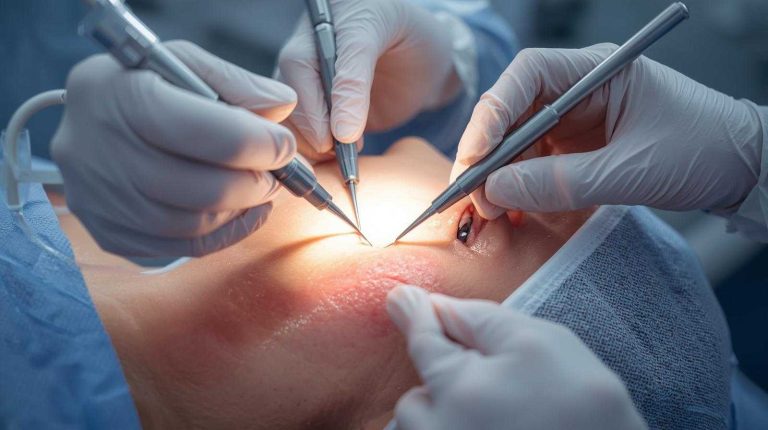
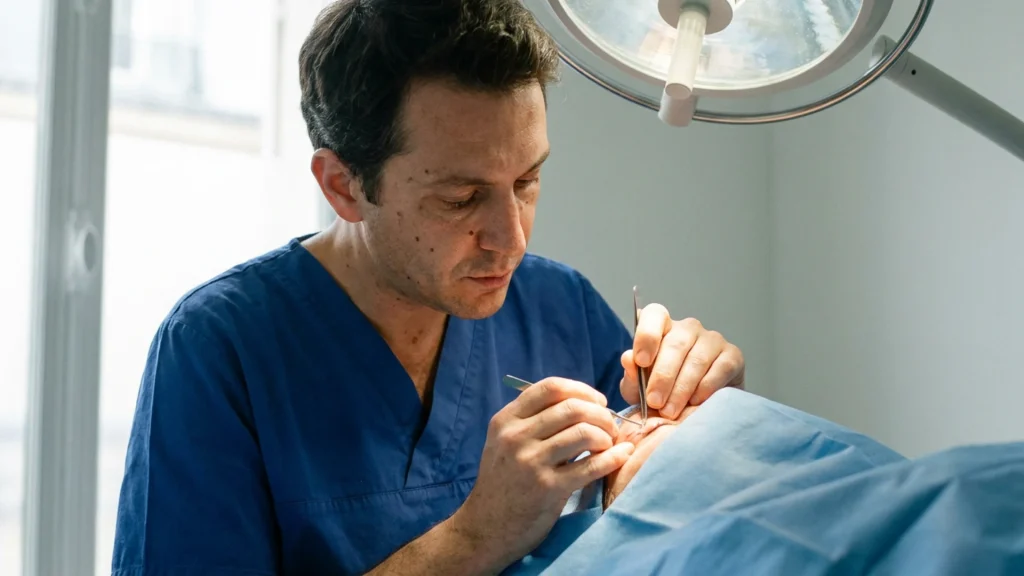
Incisions are made in the natural folds of the eyelids or inside the lower eyelid, depending on the case.
The goal is to remove or redistribute excess skin and fat, while respecting the balance of the eyes.
Closure uses fine sutures, which are removed during post-operative follow-up.
Post-operative Recovery
The recovery is most often characterized by:
- temporary swelling and bruising,
- a feeling of tightness or eye discomfort,
- sometimes temporary tearing.
Simple local care will be prescribed.
Resumption of daily activities should be gradual, depending on clinical progress.
Regular post-operative follow-up will monitor healing and the evolution of the results.
Results and Scars
The result aims for a more rested look, without an artificial alteration of features.
Improvement is observed gradually, after swelling subsides.
Scars generally remain discreet, hidden in the natural folds.
The stability of the result is assessed over several months.
Satisfaction depends on the initial diagnosis and adherence to post-operative instructions.
Risks and Possible Complications
Like any surgical procedure, blepharoplasty carries risks, although they are infrequent:
- hematoma, infection, delayed healing,
- residual asymmetry,
- temporary dry eyes.
Clear information will be provided during the consultation.
Follow-up will allow for the detection and management of any unusual developments.
Fees and Coverage
Aesthetic blepharoplasty is generally not covered by Social Security.
Partial coverage may be considered only in specific medical situations, after specialized evaluation.
Indicative Fees
- Upper blepharoplasty: from €3000
- Lower blepharoplasty: from €4000
The exact fee depends on the number of eyelids treated, the chosen technique, and the costs associated with the surgical facility.
A personalized quote will be established exclusively during the medical consultation.
The different types of eyelid surgery
- PLEXR medical blepharoplasty : Medical blepharoplasty with Plexr® aims to treat sagging eyelid skin without surgery.