Who is this procedure for?
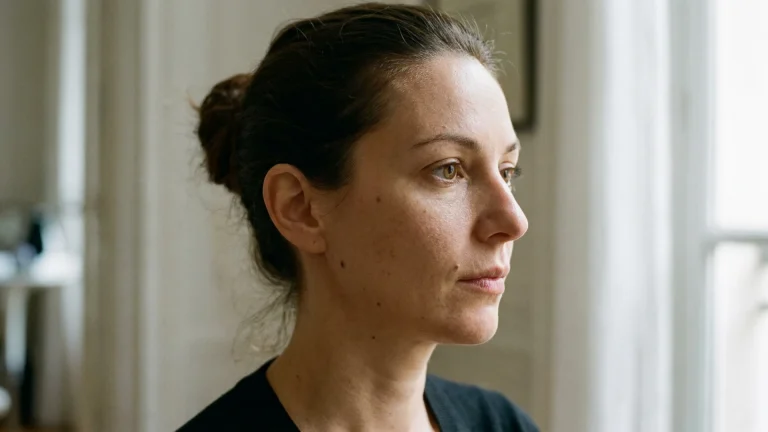
Otoplasty is for people with protruding ears, asymmetry, or an aesthetically displeasing shape. The request can be for an adult or a child, once the ear has finished growing and the request comes from the patient.
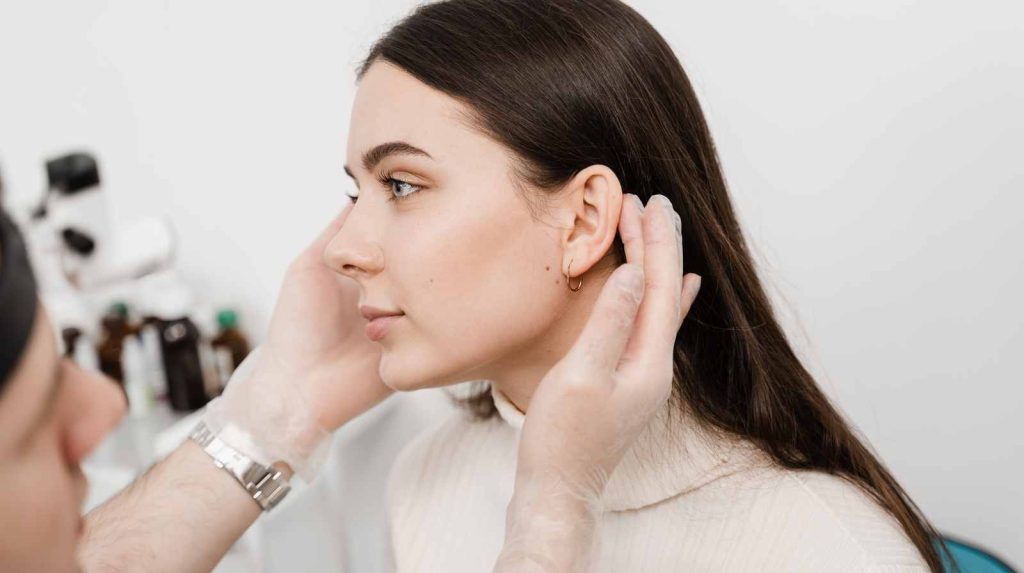
The pre-operative consultation allows for an analysis of the antihelix, concha, and earlobe, an explanation of the technical possibilities and their limitations, and a check of the coherence of the project. A complete clinical examination guides the therapeutic proposal.
Preparation steps, necessary examinations, technical choices, quote, explanations on aftercare
Preparation includes an adapted medical assessment, sometimes supplemented by an anesthetic consultation. The technical choice depends on the identified cartilage abnormalities and may involve folds, concha reduction, or earlobe corrections.
A personalized quote details the planned procedures and coverage arrangements. The post-operative period, the possible need for a headband, and the follow-up schedule are explained in advance.
The procedure in practice
Anesthesia, duration, hospitalization, general technical principles
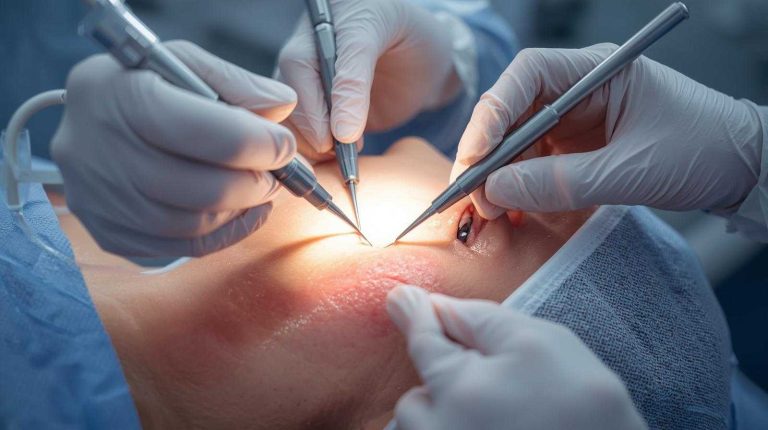
The procedure can be performed under local anesthesia, sedation, or general anesthesia, depending on age, indication, and context. The duration varies according to complexity.
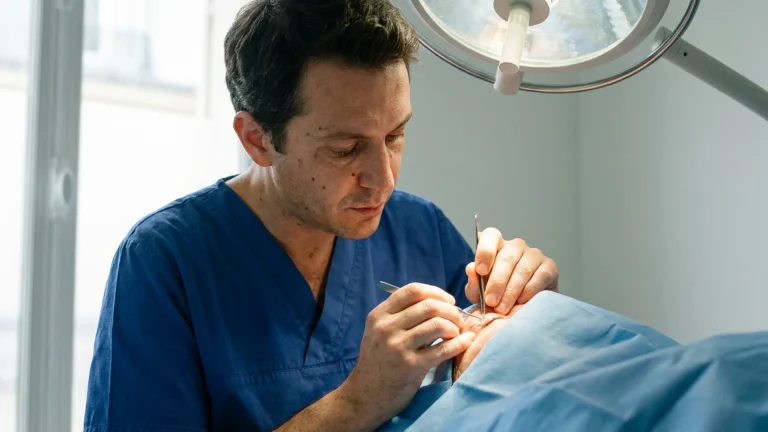
The procedures are carried out in the operating room of an authorized facility; they do not take place within our consultation clinic. Incisions are generally made behind the ear to conceal scars. The cartilage is shaped and then stabilized to bring the ear closer to the skull in a measured way.
Post-operative care
Pain, care, return to activities, post-operative follow-up
The aftercare most often involves moderate pain, managed with painkillers. Swelling and bruising may appear temporarily.
Local care and sometimes the wearing of a compression headband are prescribed depending on the case. A gradual return to activities is possible, with temporary sports precautions. Post-operative follow-up checks healing and the evolution of the shape.
Results and scars
Expected result, healing timeline, scar quality, satisfaction
The result becomes apparent quickly, then refines with healing over several weeks. Scars usually remain discreet, hidden in natural folds.
Satisfaction depends on adherence to indications, tissue quality, and follow-up. A slight asymmetry may remain, as it contributes to a natural appearance.
Risks and possible complications
Transparency and reassurance
Like any surgery, otoplasty carries risks: hematoma, infection, healing problems, temporary sensitivity, residual asymmetry, or secondary reopening. These situations are rare and warrant clear information and attentive follow-up. If in doubt, a re-evaluation is necessary.
Fees and coverage
Potential reimbursement, indicative range for cosmetic procedures
Otoplasty: by quote (reconstructive).
Coverage by Social Security may be considered on a case-by-case basis, particularly when psychological distress is recognized. The arrangements are specified during the consultation, in conjunction with your health insurance.