Who is this procedure for?
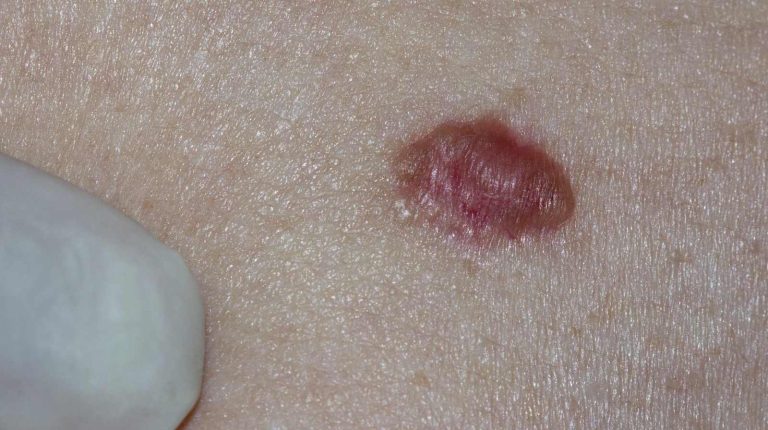
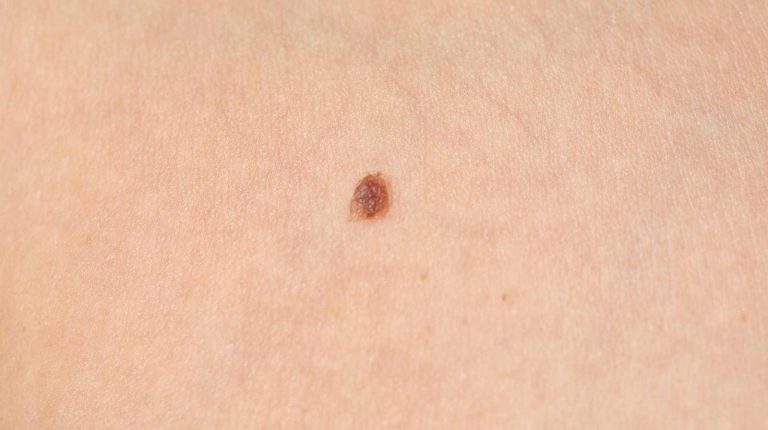
This procedure is intended for individuals with a confirmed or suspected cutaneous squamous cell carcinoma.
It concerns lesions developed on healthy skin or skin altered by chronic exposure.
Certain tumors may arise from known precancerous lesions.
The indication is based on a prior dermatological evaluation.
Surgical management is proposed to limit the risks of local or nodal spread.
Consultation Process
The consultation allows for the analysis of the lesion, its size, appearance, and location.
Medical history and risk factors are taken into account.
The details of the excision are explained in a step-by-step and understandable manner.
Reconstruction options are discussed based on the clinical situation.
A period for reflection is always offered.
Preparation and Necessary Examinations
A clinical dermatological diagnosis precedes any surgical indication.
A biopsy or diagnostic excision may be performed if there is any doubt.
A nodal ultrasound may be considered depending on the tumor profile.
The surgical strategy depends on the size, depth, and location.
A detailed estimate outlines the procedure and expected recovery.
The Procedure in Practice
Anesthesia and Duration
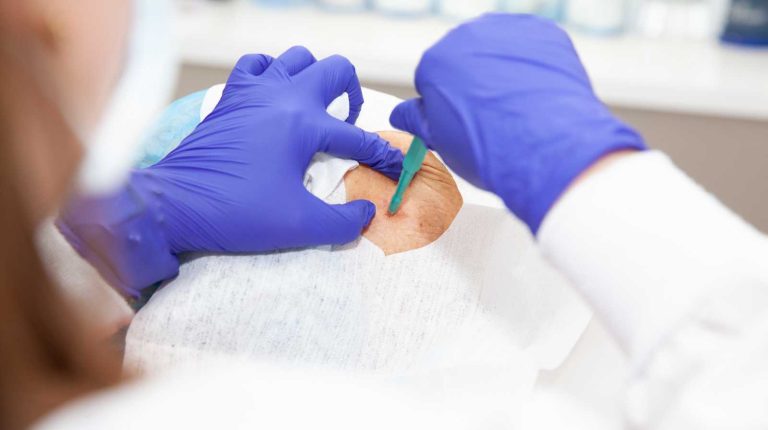
The excision is most often performed under local anesthesia.
Broader anesthesia may be discussed in specific situations.
The duration of the procedure varies depending on the complexity of the removal and reconstruction.
The procedure is generally performed on an outpatient basis.
Immediate post-operative monitoring precedes the return home.
Technical Principles
The surgery consists of removing the tumor with appropriate safety margins.
These margins vary depending on the histological and evolutionary characteristics of the lesion.
The surgical specimen is sent to an anatomic pathology laboratory.
Reconstruction may be immediate or delayed depending on the expected results.
The technique aims to achieve a functional and as discreet a scar as possible.
Post-operative Care
The recovery is usually simple and well-tolerated.
Some local discomfort, tightness, or unease may occur temporarily.
Care involves appropriate dressings and specific instructions.
Resumption of daily activities depends on the operated area.
Regular medical follow-up is necessary to monitor healing.
Results and Scars
The expected result is based on the complete removal of the tumor.
The scar evolves gradually over several weeks to months.
Its appearance depends on the location, technique, and skin quality.
Gradual improvement occurs during the scar maturation phase.
The evaluation of the result combines oncological safety and aesthetic outcome.
Risks and Possible Complications
This procedure carries risks inherent to any surgical intervention.
These include delayed healing, infection, or local bleeding.
Re-operation may be discussed depending on the histological results.
A risk of local recurrence necessitates prolonged dermatological surveillance.
Each situation is analyzed individually during follow-up.
Fees and Coverage
The excision of squamous cell carcinomas may be covered by medical insurance.
The terms depend on the clinical context and the setting of the procedure.
Certain reconstructions may incur additional fees.
A detailed estimate specifies the financial conditions before the procedure.
These details are clearly explained during the consultation.