Who is this procedure for?
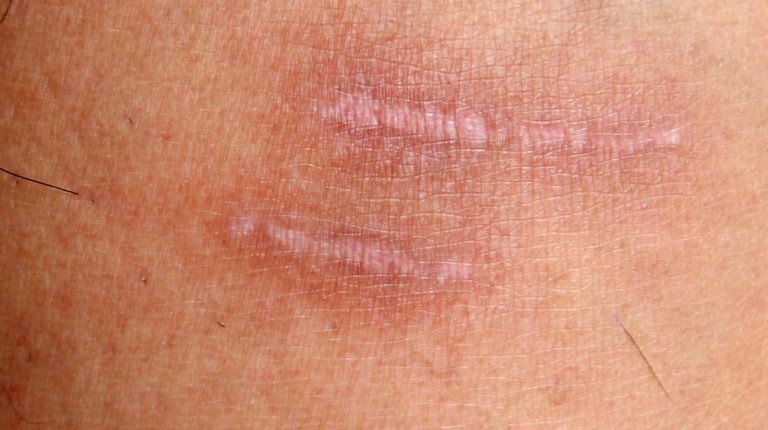
This treatment can be for people with stabilized burn scars, whether old or more recent.
It concerns patients experiencing functional discomfort, skin stiffness, or persistent aesthetic discomfort.
Frequently affected areas include the face, neck, hands, joints, or trunk.
Consultation Process
Consultations allow for a precise analysis of skin sequelae, their depth, and their evolution.
A detailed clinical examination assesses the skin quality, mobility, and impact on daily life.
Therapeutic options are explained progressively, with their expected benefits and limitations.
A personalized treatment plan may be proposed, sometimes in multiple stages.
Preparation and Technical Choices
Preparation Steps and Necessary Examinations
Complete scar stabilization is generally expected before any surgical intervention.
Medical photographs may be used for analysis and follow-up.
Depending on the case, additional examinations may be requested to assess the skin or general condition.
Current medications are systematically reviewed.
Technical Choices and Quotes
Several techniques can be considered depending on the situation:
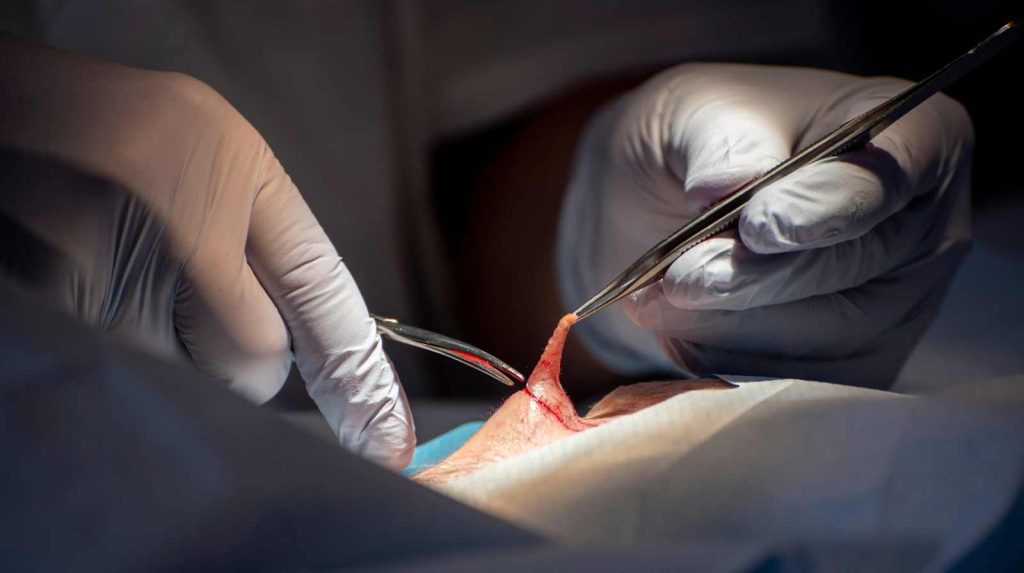
– Scar resection with appropriate closure
– Skin grafts if there is a persistent loss of substance
– Local or regional flaps to restore volume and suppleness
– Laser treatments to improve texture and color
A detailed quote will be provided after a full explanation of the steps and possible recovery.
The Procedure in Practice
Anesthesia, Duration, and Hospitalization
The procedure can be performed under local anesthesia, regional anesthesia, or general anesthesia, depending on the extent of the planned procedures.
The operating time varies from a few tens of minutes to several hours.
An outpatient or short stay hospitalization may be proposed depending on the chosen technique.
Cosmetic surgery procedures are not performed within our clinic.
Main Technical Principles
The objective is to release contractures, improve skin contours, and harmonize shapes.
The procedures are adapted to preserve surrounding healthy tissues as much as possible.
In some cases, multiple spaced interventions may be necessary.
Postoperative Care
Pain, Care, and Return to Activities
Postoperative pain is usually moderate and managed with appropriate treatment.
Specific dressings are applied for several days or weeks.
A gradual return to activities is recommended, depending on the operated area.
Sun exposure to scars is strictly avoided for several months.
Post-operative Follow-up
Regular medical follow-up helps manage healing and adjust care.
Massages, silicone dressings, or complementary treatments may be proposed.
The improvement occurs over time, with gradual progress.
Results and Scars
Expected Outcome and Timeline
The goal is a visible improvement, without promising complete scar disappearance.
Skin suppleness and aesthetic improvement evolve over several months.
The skin continues to remodel for up to a year, sometimes longer.
Scar Quality and Satisfaction
Scar quality depends on numerous individual factors.
The techniques used aim to achieve less visible scars that are better integrated.
Satisfaction is based on clear information and realistic goals.
Risks and Possible Complications
Like any surgical procedure, this treatment carries potential risks.
These may include infection, delayed healing, pigmentary disorders, or partial recurrence of contractures.
Each situation is individually assessed to minimize these risks.
Transparent information accompanies each step of the therapeutic project.
Fees and Coverage
Potential Reimbursement
Surgery for burn sequelae may sometimes be eligible for partial coverage when there is a functional impact.
The terms depend on the medical situation and applicable administrative criteria.
Indicative Range for Aesthetic Procedures
When the indication is purely aesthetic, the procedures are performed without reimbursement.
Fees vary depending on the technique, operating time, and the number of sessions required.
A personalized quote provides a clear overview before any decision is made.