Who is this procedure for?
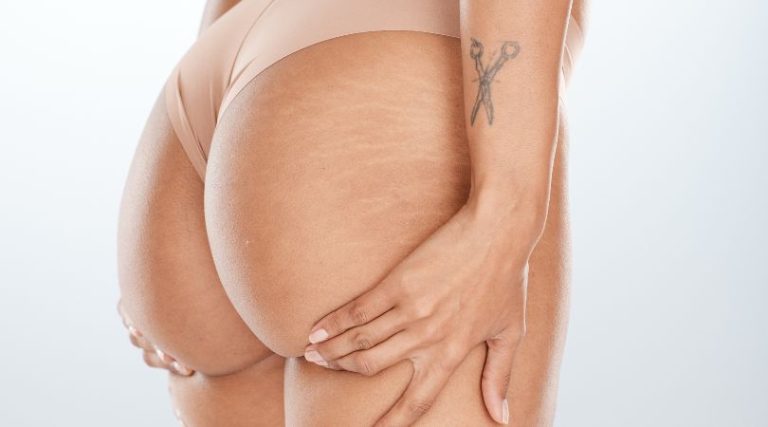
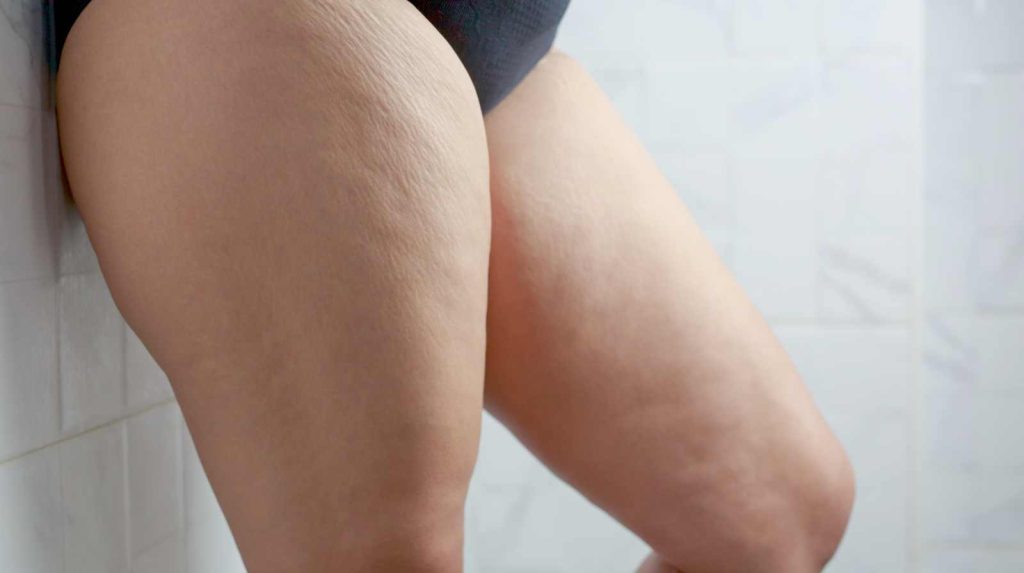
Skin laxity can appear after weight fluctuations, significant weight loss, or aging.
Discomfort often concerns walking, dressing, and body image.
A thin and stretched skin on the upper third of the thigh often indicates the need for this procedure.
A clinical examination allows for an assessment of the skin quality, the location, and any associated fat excess.
Consultation Process
The consultations allow for an explanation of realistic goals, potential scars, and the post-operative period.
Medical photographs are taken for follow-up.
A legal reflection period applies before any decision is made.
A detailed quote specifies the planned procedures and their conditions.
Preparation Steps
A blood pre-operative assessment is usually required.
An anesthesia consultation is scheduled within the month preceding the procedure.
Smoking cessation is generally recommended to minimize healing complications.
Compression garments may be prescribed for the post-operative period.
The technical choices depend on the skin excess and its distribution.
The Procedure in Practice
The procedure is most often performed under general anesthesia.
The operating time varies depending on the chosen technique and associated procedures.
A short hospital stay may be offered, sometimes as outpatient surgery depending on the case.
The technical principles combine liposuction and skin excision, with deep fixation for tissue support.
Main Techniques and Scars
-
Horizontal technique: scar in the groin crease, indicated for upper excess.
-
Vertical technique: scar along the inner thigh, suitable for width excess.
-
Combined technique (L or T): combination of horizontal and vertical for extensive laxity.
Post-operative Period
Tightness and soreness may occur in the first few days.
Swelling and bruising frequently appear and then gradually subside.
Wearing compression garments helps with skin tightening.
Walking remains possible with caution; relative rest is advised.
Return to work depends on the activity, often between 1 and 3 weeks.
Sports activities can be resumed progressively, generally after 6 weeks.
Results and Scars
The morphological benefit is noticeable after the swelling subsides.
The result evolves over several months, with progressive stabilization.
The scars are permanent but fade over time.
Prolonged sun protection and local care promote better scar quality.
Satisfaction depends on the indication, skin quality, and adherence to instructions.
Risks and Possible Complications
As with any surgery, complications remain possible despite precautions.
The described risks include hematoma, infection, delayed healing, or seroma.
Transient sensory disturbances may occur on the inner thigh.
Widened or hypertrophic scars can occur unpredictably.
Thromboembolic events remain rare and are subject to preventive measures.
A touch-up procedure may be considered secondarily if necessary.
Fees and Coverage
Partial coverage by health insurance may be considered in specific reconstructive situations, under certain conditions.
In the absence of approval, the procedure is considered an aesthetic procedure.
Fees vary depending on the technique, associated procedures, and length of stay.
As an indication, thigh lifts start from €5,500, excluding any potential coverage.
A personalized quote will detail the financial aspects before any scheduling.