Who is this procedure for?
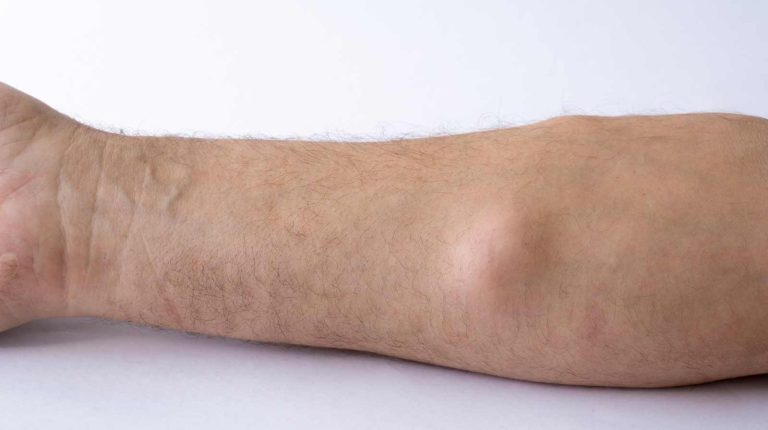
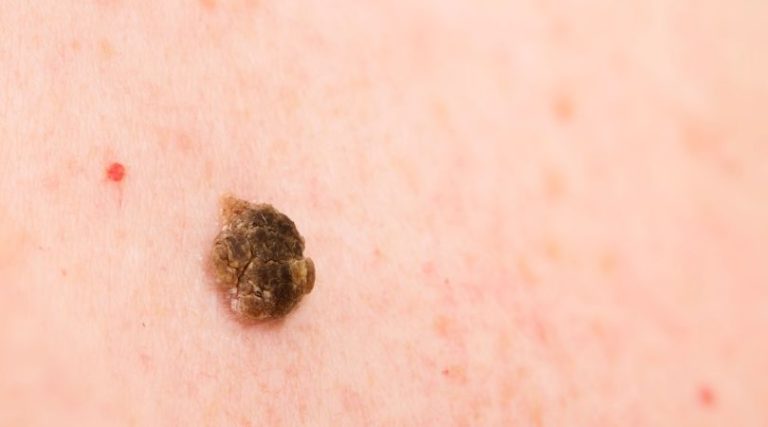
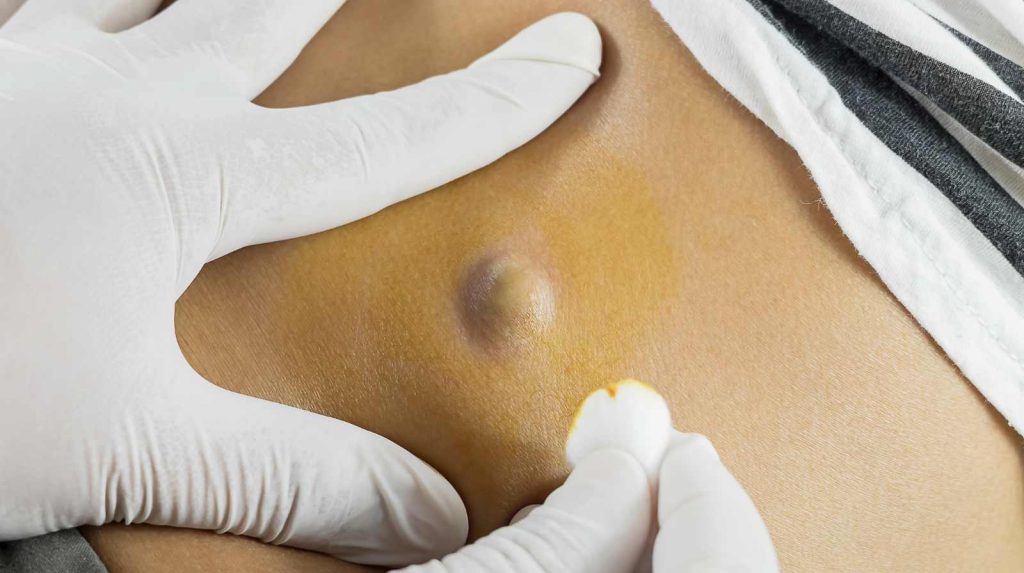
The procedure can be for anyone presenting a clinically confirmed sebaceous cyst or epidermal cyst.
It can be considered if the lesion becomes painful, inflamed, infected, or aesthetically displeasing.
Certain exposed locations, such as the face, neck, back, or scalp, often prompt the request.
The surgical plan is based on a personalized assessment during preliminary consultations.
Consultation process
The first consultation involves analyzing the nature of the cyst, its location, and its evolution.
A thorough clinical examination checks for signs of infection, rupture, or recurrence.
A surgical indication may be discussed, with clear explanations of the procedure and its aftermath.
A reflection period is usually observed before any decision is made.
Preparation, examinations, and technical choices
No additional examinations are systematic for typical, uncomplicated cysts.
In case of diagnostic doubt, a histological examination may be planned after excision.
The technical choice depends on the size, depth, and inflammatory state of the cyst.
A detailed quote specifies the modalities, fees, and expected outcomes.
Explanations also cover the scar, recovery, and post-operative care.
The procedure in practice
Anesthesia, duration, and setting
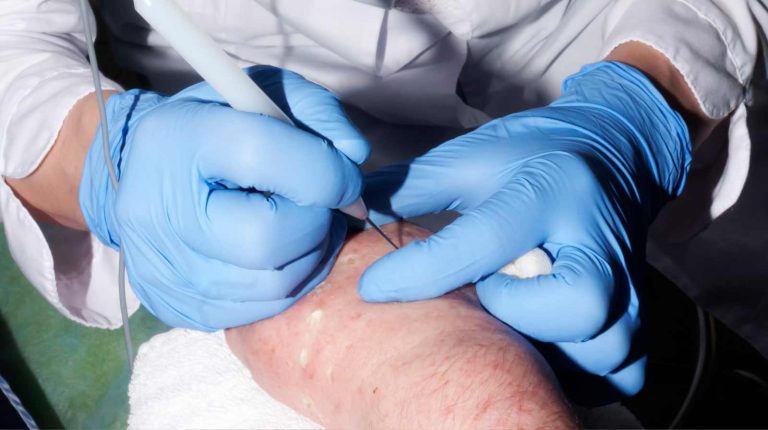
Excision is most often performed under local anesthesia.
The duration of the procedure generally ranges from 20 to 45 minutes, depending on complexity.
Hospitalization is usually not necessary.
The procedure can take place in an appropriate surgical setting, distinct from a simple consultation.
Technical principles
A precise incision allows access to the cyst without damaging surrounding tissues.
The surgeon removes the entire capsule to limit the risk of recurrence.
Closure is performed with fine sutures, adapted to the operated area.
The specimen may be sent for pathological analysis as indicated.
Post-operative care
The aftermath is most often uncomplicated.
Some local sensitivity or moderate pulling sensation may occur in the first few days.
Care involves local cleaning, sometimes with a temporary dressing.
Resumption of daily activities is possible quickly, depending on the location.
Post-operative follow-up allows for monitoring of wound healing and suture removal if necessary.
Results and scars
The expected result is the complete disappearance of the cyst.
The scar evolves gradually over several weeks.
Its appearance depends on the treated area, the technique used, and skin characteristics.
Specific advice may be given to optimize scar quality.
Satisfaction is based on a functional and aesthetic result consistent with the initial indication.
Risks and possible complications
Like any surgical procedure, excision carries potential risks.
Local infection, hematoma, or delayed healing may occur.
Recurrence remains possible if the capsule cannot be completely removed.
An exceptionally more visible scar than expected may appear.
These situations remain rare when indications and care are followed.
Fees and coverage
Cyst excision may be eligible for medical coverage when a therapeutic indication exists.
A case-by-case analysis clarifies potential reimbursement modalities.
When the procedure is solely for aesthetic reasons, the fees are borne by the patient.
Prices vary according to the location, cyst size, and complexity of the procedure.
An indicative range is provided during the consultation, after clinical evaluation.