You have just had a peel and you are wondering what to put on your skin. Fair question: the treatment brightens the complexion, but it also strips a protective layer, and what you apply over the following days decides how well the skin rebuilds. Redness, dryness and a tight, uncomfortable feel are part of the normal course. Here is how to manage them.
Why does skin require special care after a peel?
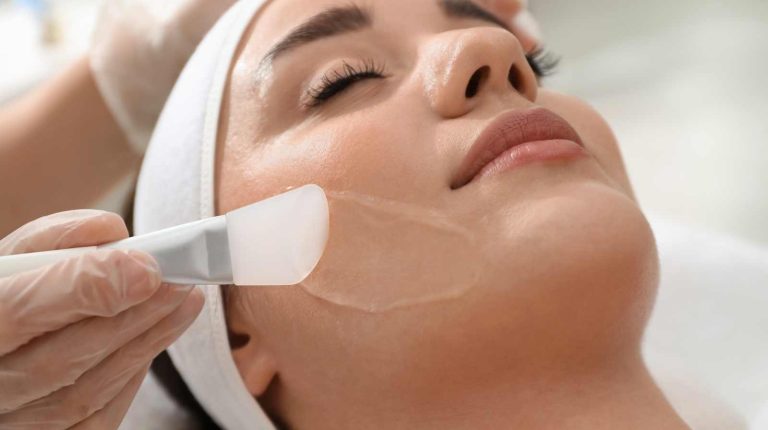
A peel removes the outer layers and exposes fresh skin that is sensitive to external aggressions. Dehydration, flaking and redness follow. The whole point of post-peel care is to keep that new skin hydrated and shielded while it regenerates.
Poor aftercare undoes the treatment: irritation, prolonged redness, sometimes infection. The right products and habits limit those risks and let the peel deliver what it promised. Priority goes to continuous hydration combined with something that calms the surface.
Common consequences of a peel on the skin
After a peel, skin goes through a phase of dryness and peeling. Both reflect the cell turnover the treatment triggered. Slight redness accompanies them, a sign that the deeper layers have been stimulated. This discomfort is temporary and responds well to targeted care that soothes and revitalises the epidermis.
Intensity depends on the depth of the peel (superficial, medium or deep) and on how reactive your skin is at baseline. A deep peel leaves the skin raw for considerably longer than a light glycolic session. Whatever the depth, a cautious approach applies.
What are the best products to hydrate your skin?
Hydration is the centrepiece of post-peel care. Well-hydrated skin repairs faster and with less inflammation.
- Moisturizing creams: Opt for creams rich in soothing ingredients like aloe vera or chamomile extract. These natural active ingredients calm the skin and reduce the appearance of redness while strengthening the skin’s natural barrier.
- Hyaluronic acid: This ingredient is known for retaining up to 1000 times its weight in water, making it a valuable ally for delivering long-lasting hydration directly into the epidermis. Apply it in serum form before your moisturizer for a double beneficial effect.
- Thermal water: Ideal for refreshing the skin throughout the day, thermal water also offers beneficial mineral intake that complements the previously applied moisturizing treatments.
Focus on using Biafine after a peel
Biafine is best known for treating burns, and that is precisely why it suits post-peel skin: the mechanism is comparable. Its emollient agents rebuild the hydrolipidic film on a weakened surface and calm the stinging sensation.
| Product | Main action |
|---|---|
| Biafine | Repair and deep hydration |
| Hyaluronic Acid | Retains water and intensely hydrates |
| Chamomile cream | Soothes redness and irritation |
What practices to avoid after a peel?
A few habits will actively damage newly regenerated skin. Avoiding them protects the result you paid for.
No exfoliation or aggressive treatments
Peeling flakes are tempting to scrub away. Do not. Any abrasive product disrupts the fragile structure of healing skin, worsens redness and adds days to the recovery.
The same applies to other aesthetic treatments during this window: strong chemical actives, heat-based devices and UV sessions all raise the risk of complications while the barrier is still rebuilding.
Protect your skin with a good routine
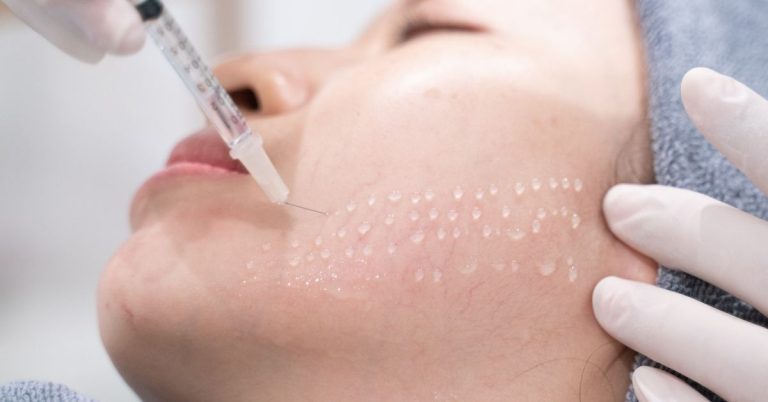
Product choice matters, but so does daily handling. For more information on the treatment that restores hydration and radiance to the skin, consult this detailed information on skinboosters.
- Gentle cleansing: Use a mild cleanser, free of fragrance and alcohol, to wash your face twice a day, morning and evening.
- Avoid hot water: Prefer lukewarm water when washing to avoid further irritating sensitive skin.
- Repeated application of treatments: Serums and creams applied should be reapplied throughout the day if necessary, especially in case of severe skin dryness.
Frequently asked questions about post-peel care
Why avoid using exfoliants after a peel?
Exfoliants used after a peel interrupt the skin’s natural healing process and increase sensitivity. Premature exfoliation strips away the protective layer the treatment set out to rebuild.
What role does hyaluronic acid play in post-peel hydration?
Its water-retaining capacity delivers deep hydration to the renewed epidermis. Applied regularly, hyaluronic acid improves the elasticity and resilience of skin recovering from a peel.
Is Biafine truly safe after a peel?
Yes. It is widely used for its repairing properties and reduces the stinging that follows a peel. Its formulation mimics the skin’s natural lipid barrier, which speeds up the restoration of that barrier.
How long should I wait before resuming a normal routine?
Around a week of rest and special precautions in most cases, longer after a deep peel. Your dermatologist will give you a timeline based on the depth treated and how your skin responds.