
Who is this procedure for?
Labiaplasty is intended for individuals experiencing labial hypertrophy that is perceived as bothersome.
Motivations may include discomfort during intercourse, sports, wearing tight clothing, or in daily life.
Some situations involve a psychological impact or a lasting intimate complex.
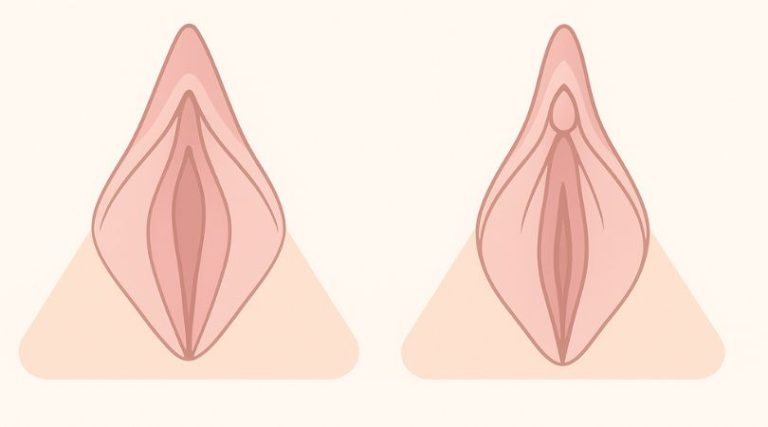
Each request requires a personalized assessment, as vulvar anatomy exhibits significant natural variability.
Consultation Process
The consultation allows for a precise clinical examination, conducted in a respectful environment.
It serves to analyze the shape, symmetry, thickness, and distribution of excess tissue.
A detailed discussion clarifies your expectations, the realistic limitations, and the envisageable results.
A regulatory reflection period may apply before any surgical decision.
Preparation and Pre-operative Assessment
Preparation includes an appropriate medical assessment, which may involve laboratory tests.
An anesthesia consultation is necessary depending on the chosen technique and anesthesia method.
The technical choice depends on the observed anatomy and the desired outcome.
A detailed quote and information on post-operative care will be provided before scheduling.
The Procedure in Practice
Anesthesia and Duration
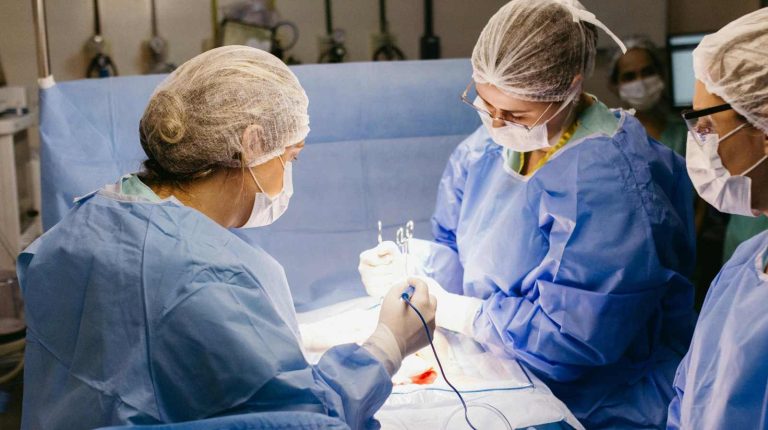
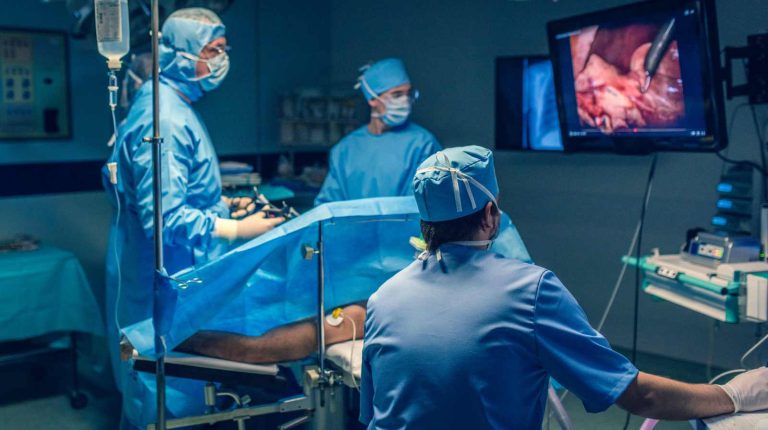
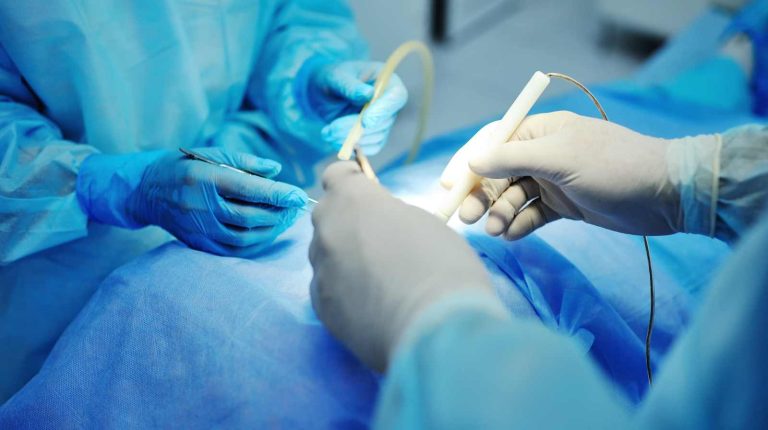
Labiaplasty can be performed under local anesthesia, local anesthesia with sedation, or general anesthesia, depending on the case.
The surgical duration is generally between 30 and 60 minutes.
The procedure is most often performed on an outpatient basis, without prolonged hospitalization.
Technical Principles
Two main approaches exist.
The longitudinal resection removes excess along the free edge of the labia minora.
The wedge-shaped V resection removes a triangular segment, preserving the natural serrated edge.
The technical choice depends on the location of the hypertrophy and the desired aesthetic balance.
Post-operative Care
Post-operative care typically involves temporary local swelling.
Pain is often moderate and managed with appropriate pain relievers.
Daily local care and rigorous intimate hygiene are recommended.
The sutures used are generally resorbable.
Return to Activities
A return to daily activities can be considered after a few days.
Sports activities, sexual intercourse, and baths are usually deferred for several weeks.
The precise timeline depends on the individual healing progress.
A regular post-operative follow-up accompanies this period.
Results and Scars
The result appears quickly, with progressive evolution over several weeks.
The final appearance is generally assessed after two to three months.
Scars are located on the mucosa, usually discreet after maturation.
The objective remains functional improvement combined with a natural appearance.
Risks and Possible Complications
Like any surgical procedure, labiaplasty carries rare but possible risks.
These may include bleeding, infection, delayed healing, or residual asymmetry.
A secondary correction may sometimes be considered after complete healing.
Detailed information on these risks is an integral part of the pre-operative process.
Fees and Coverage
In certain medical situations, labiaplasty may be considered a reconstructive indication.
Partial coverage by health insurance may then be considered, based on criteria.
When the indication is purely aesthetic, the procedure is usually not reimbursed.
The fee depends on the technique, the anesthesia method, and associated costs, with a range provided in a personalized quote.