
Who is this procedure for?
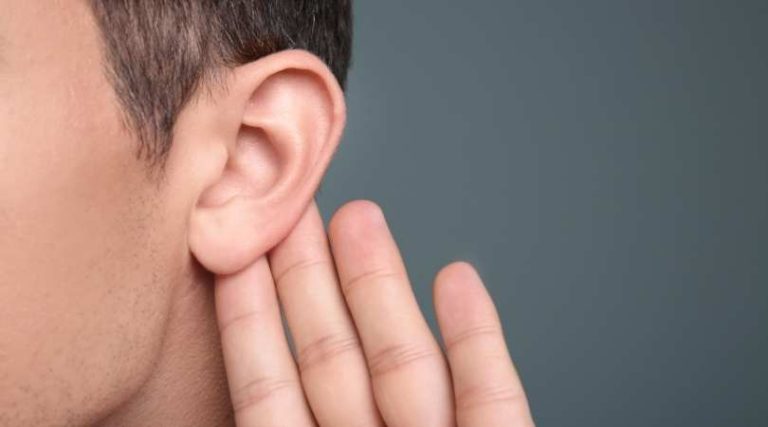
Earlobe repair is for patients with a visible alteration of the earlobe, causing aesthetic or functional discomfort.
Common indications
- Partial or complete tear of the lobe after accidental snagging
- Progressive enlargement of the hole due to wearing heavy earrings
- Lobe asymmetry after old trauma
- Skin thinning related to age
- Sequelae after a poorly positioned piercing
Consultation process
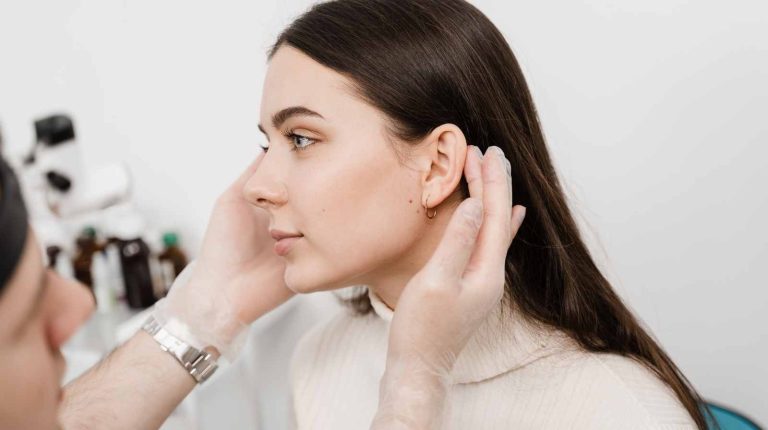
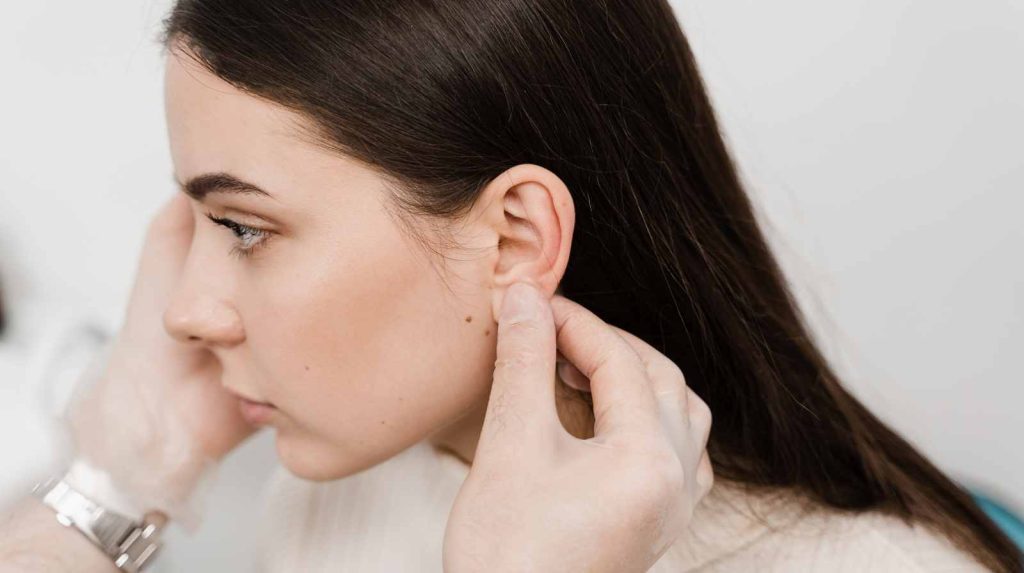
The consultation allows for an analysis of the lobe shape, the type of tear, the skin quality, and aesthetic expectations.
It is recommended to explain the technical principles, the limits of correction, the predictable after-effects, and the timeframe before a possible new piercing.
A personalized quote is provided after a clinical examination.
Preparation steps and necessary examinations
No extensive examinations are usually required for this surgery.
It is important to check for the absence of healing disorders, local infection, or treatments that could interfere with the repair.
Pre-operative instructions include:
- Discontinuation of wearing jewelry before the procedure
- Reporting any anticoagulants or ongoing treatments
- Detailed explanations on post-operative care
The procedure in practice
Anesthesia
Earlobe repair is most often performed under local anesthesia.
Sedation may be considered in certain situations, depending on the context.
Duration and hospitalization
The procedure generally lasts a few tens of minutes.
It is performed on an outpatient basis, without hospitalization.
Technical principles
The procedure involves:
- Refreshing the scar edges
- Reconstruction of the earlobe by fine suturing
- Achieving natural symmetry between the two lobes
The sutures used may be resorbable or non-resorbable, depending on the case.
Post-operative recovery
The recovery is most often uncomplicated.
Pain and care
- Moderate discomfort possible in the first few days
- Simple painkillers prescribed if necessary
- Light local care as recommended
Return to activities
A return to daily activities occurs quickly, without significant social downtime.
Wearing earrings is still not recommended for several weeks.
Post-operative follow-up
Follow-up allows for monitoring of scar healing, removal of sutures if necessary, and answering questions related to re-piercing.
Results and scars
Expected result
The aim is to achieve a reconstructed earlobe, with a natural and proportionate appearance.
The result is visible quickly, then improves with scar maturation.
Scars
The scar is located along the path of the former tear.
It generally becomes barely visible over time, provided normal healing occurs.
Healing time
Skin consolidation takes several weeks.
A new piercing can be considered later, away from the scar, depending on the evolution.
Risks and possible complications
Like any surgical procedure, this intervention carries risks, even if rare:
- Delayed healing
- Visible or hypertrophic scar
- Residual asymmetry
- Recurrence of the tear in case of subsequent mechanical stress
These elements should be discussed during the consultation, with clear and appropriate information.
Fees and coverage
Coverage
Earlobe repair may be considered reconstructive surgery.
Partial coverage by Social Security and supplementary health insurance may be considered depending on the indication and the case.
Indicative fees
When the procedure is for aesthetic reasons, the fee is generally by quote, after a specialized consultation.
The amount depends on the complexity of the repair, the number of lobes concerned, and any associated procedures.
A detailed quote is provided before any decision is made.