
Patience is undoubtedly the most valuable quality in the hair transplant journey. You have decided to take the step towards a new head of hair. The hair transformation does not happen instantly but follows a natural biological process that takes several months. Understanding the realistic timeline of expected results will allow you to approach this gradual evolution with peace of mind and fully appreciate each stage of your aesthetic metamorphosis.
The First Few Days: Immediate Post-Operative Appearance
The initial appearance of your scalp after the procedure may sometimes be surprising. This temporary appearance is a normal stage of the process that will gradually evolve towards the desired outcome. Mentally prepare yourself for this transitional phase to approach it with serenity.
Normal Visible Manifestations
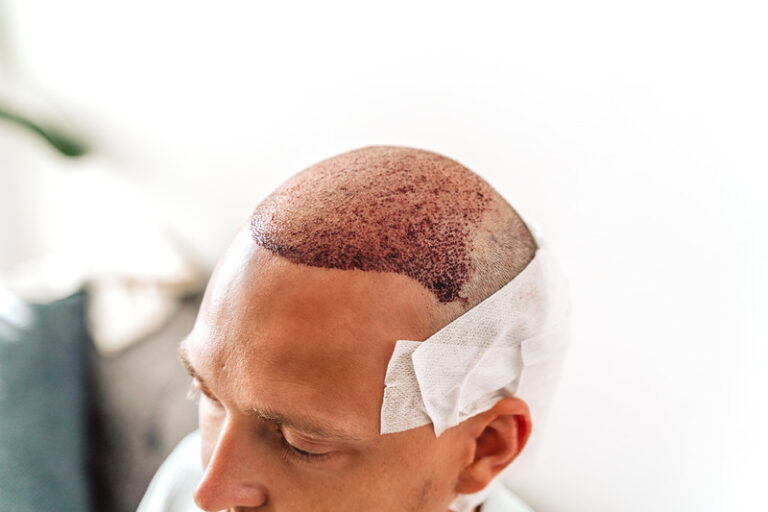
Small scabs around the implantation sites naturally appear within 24 to 48 hours after the procedure. These dry, brownish formations protect the newly transplanted follicles. Their presence is reassuring and simply indicates the normal progression of the initial healing process. These scabs will detach spontaneously within the following 7 to 10 days if you strictly follow the washing protocol recommended by your specialized surgeon.
Redness of the scalp is also a normal inflammatory reaction in the operated areas. This pink or red coloration indicates the active healing process and the revascularization of the tissues. This redness generally fades on its own within the first two weeks. The donor area also exhibits this temporary characteristic, particularly noticeable if you opted for the FUE technique which requires prior shaving.
Frontal edema is a common reaction after hair transplantation. This swelling, particularly visible on the forehead and sometimes the eyelids, results from anesthetic infiltration and tissue manipulation. This benign phenomenon usually peaks on the third day before spontaneously receding in about a week. Keeping your head elevated during sleep effectively limits its development.
The transplanted hairs visible immediately after the procedure retain their original length from the time of harvesting. They provide an approximate preview of the implantation performed but do not yet reflect the final direction or density. These native hairs will fall out naturally in the following weeks before the transplanted follicles produce new permanent hairs. This programmed shedding is a normal stage of the process.
Managing Initial Expectations
The apparent density immediately after the procedure may seem particularly promising. This initial impression results from the combined presence of transplanted hairs and temporary edema, which visually tightens the spaces between the implants. This flattering temporary appearance will naturally evolve with the physiological shedding of the transplanted hairs. Mentally prepare yourself for this visual transformation to avoid any unjustified disappointment.
The newly drawn frontal hairline initially appears very defined, sometimes almost too regular. This apparent geometry will naturally soften with healing and future regrowth. The final design will harmoniously incorporate slight irregularities intentionally created by your surgeon to ensure a perfectly natural result. Perfect symmetry does not exist in nature and would paradoxically be an indicator of aesthetic intervention.
Social discretion legitimately concerns many patients during this initial phase. The visibility of post-operative signs varies considerably depending on the technique used and the extent of the treated area. Discretion can be maintained by judiciously wearing a light cap or a loose hat. Some patients prefer to strategically plan a few days off or opt for temporary remote work during this transitional phase.
Regular photographs from the first few days are a valuable tool for objectively documenting your journey. These shots, taken under identical lighting conditions, will allow you to appreciate the progress made later. This chronological visual documentation effectively combats the natural impatience that can sometimes arise when facing the gradual evolution of results. Your daily perception of changes may diminish, while these photographic comparisons clearly reveal the transformations achieved.
The Adaptation Phase: The First Three Months
The first quarter after your transplant is a period of tissue and psychological adaptation. The transplanted follicles gradually integrate into their new environment while your perception evolves in the face of temporary changes in your appearance. This transitional phase deserves particular understanding.
The Phenomenon of Post-Operative Shedding
The shedding of transplanted hairs typically occurs between the tenth and twentieth day post-operatively. This perfectly normal phenomenon, called “traumatic telogen effluvium” or “shock loss,” results from the surgical stress on the follicles. This predictable physiological reaction absolutely does not mean your transplant has failed. Only the visible hair shaft falls out; the implanted follicular roots remain in place and simply enter a resting phase before producing new permanent hairs.
The extent of this shedding varies considerably among individuals but generally affects the majority of transplanted hairs. Some patients retain a few particularly resistant original hairs. This individual variation in no way prejudges the quality of the final result. Personal genetics and the surgical technique used influence this temporary shedding process without significant impact on subsequent regrowth.
Surrounding native hairs that were not transplanted may also experience temporary accelerated shedding in the areas adjacent to the procedure. This phenomenon, also referred to as “shock loss,” results from the temporary disruption of local microcirculation. This secondary reaction primarily affects follicles already weakened by androgenetic alopecia. The regrowth of these native hairs varies depending on their pre-existing hormonal sensitivity. Anti-hair loss medications like finasteride significantly limit this phenomenon.
The visual appearance during this phase may temporarily seem less favorable than before the procedure. The scalp often presents a sparse appearance, combining healing areas and diffuse shedding. This temporary situation is unfortunately a necessary passage towards your future positive transformation. Mental preparation for this less rewarding phase will allow you to get through it serenely with the prospect of upcoming results.
The Hair Desert and the Necessary Patience
The follicular latency phase generally lasts two to three months after post-operative shedding. During this period, little to no visible changes appear despite the progressive healing of the scalp. The transplanted follicles are undergoing a physiological resting phase (telogen) before starting their new growth cycle. This temporary dormancy, which is perfectly normal, can sometimes cause understandable impatience that should be met with serenity.
Transient anxiety due to the apparent lack of results affects many patients. The discrepancy between the investment made (financial, emotional, and temporal) and the temporary absence of visible improvement can generate legitimate questions. This psychologically delicate period requires a thorough understanding of the natural biological process at work. Transparent communication with your medical team during post-transplant follow-up will help you maintain a positive perspective.
Discussion forums for patients who have undergone this experience can offer valuable support during this waiting period. Authentic testimonials from people who have gone through the same stages provide a reassuring perspective. These community exchanges confirm the normality of your journey and strengthen your patience with the ongoing natural process. However, maintain a critical mind regarding individual comparisons, as each organism reacts according to its own biological timeline.
Hair care during this transitional period deserves particular attention. The healed but still fragile scalp requires gentle, non-aggressive products. Specific shampoos recommended by your surgeon preserve the physiological balance necessary for future follicular activation. Targeted nutritional supplements can also support hair metabolism in preparation for the imminent growth phase.
The Emergence of Results: From Month 3 to Month 6
The second quarter after your transplant generally marks the beginning of the visible transformation phase. The first encouraging signs appear gradually and intensify week by week. This rewarding period finally visually materializes the benefits of your procedure and retrospectively justifies the patience you have shown.
The First Signs of Regrowth
Initial hairs generally emerge between the third and fourth month post-operatively. These first sprouts often have a fine texture and a slow growth rate compared to your definitive hair. This initial fineness results from the gradual development of the follicles, which have not yet reached their full metabolic maturity. Each subsequent growth cycle will progressively strengthen the diameter of these hairs until they reach their definitive natural thickness.
The irregular distribution of this early regrowth is a perfectly normal phenomenon. Not all transplanted follicles activate their production simultaneously, temporarily creating areas of variable density. This transient heterogeneity gradually normalizes over time as more follicles enter an active production phase. Patience remains essential in the face of this naturally staggered development.
The direction of growth of these first hairs may sometimes seem random or different from the desired orientation. This temporary characteristic naturally evolves with successive haircuts and follicular maturation. The definitive orientation is gradually established to create a harmonious natural pattern. However, your hairdresser can help you temporarily style these first sprouts using adapted techniques.
The apparent color of this initial regrowth may sometimes differ slightly from your usual hair color. This temporary chromatic variation results from transient metabolic changes in the follicles during the adaptation phase. This pigmentation generally normalizes during subsequent cycles to regain your original natural color. Any gray hairs present in your donor area will retain this characteristic according to the principle of donor dominance.
Gradual Evolution and Visibility of Results
A notable acceleration of growth is typically observed around the fifth month. The number of active follicles significantly increases during this period, creating a clear visual densification. The usual monthly growth rate of hair (about 1 cm) is gradually established for these new hairs. This evolution allows for the first light trims to harmonize your emerging new hair.
The perceptible density improves considerably when the hairs reach 3 to 4 centimeters in length. This minimum length allows the hair shafts to partially overlap, creating a visual effect of increased density. This optical phenomenon explains why even a moderate density transplant offers an aesthetically pleasing result once this critical length is reached. Styling techniques further optimize this impression of volume.
The frontal hairline begins to define itself more clearly during this period. The single micro-grafts strategically placed in the front line produce their first hairs, outlining the new frame of your face. This gradual demarcation progressively reveals the artistic talent of your surgeon in creating a natural and harmonious line adapted to your individual features.
The psychological impact of this visible transformation is often profoundly positive. The gradual materialization of expected results reinforces your self-confidence and fully justifies your initial decision. This emotional benefit harmoniously accompanies the physical evolution of your new hair. External gazes also begin to perceive this change positively without necessarily identifying its medical origin.
The Final Result: Full Maturation at One Year
A full year post-transplant generally marks the culmination of the biological hair transformation process. The patience you have shown finds its full reward in the definitive result that is established. This final maturation allows for an objective appreciation of the quality of your hair restoration and a serene outlook for the future with your new hair.
Characteristics of the Definitive Result
Maximum density is generally observed between the twelfth and fifteenth month post-operatively. This timeline may vary slightly depending on individuals and techniques used. Hair thickness also reaches its optimal level during this period. The transplanted hairs acquire their definitive diameter and resistance comparable to your native hairs, thanks to the now fully established vascularization of the follicles.
The aesthetic naturalness of the final result is the primary goal of any successful hair transplant. The orientation of the implanted hairs now perfectly respects the natural growth angles specific to each region of the scalp. This directional precision greatly contributes to the authentic appearance of your new hair. Even a discerning eye should not be able to distinguish transplanted hairs from your native hairs thanks to this harmonious integration.
The definitive texture of the transplanted hairs is identical to that of your native hairs in the donor area. This characteristic confirms the effectiveness of the donor dominance principle on which hair transplantation is based. Transplanted hairs effectively retain the genetic properties of their origin and are therefore durably resistant to androgenetic alopecia. This hormonal resistance guarantees the longevity of your results in the treated areas.
The mature frontal hairline particularly illustrates the quality of the work performed. This highly visible area receives special attention during implantation with single micro-grafts strategically placed. Its final appearance largely determines the natural impression of your entire hair restoration. The intentionally created micro-irregularities by the surgeon paradoxically contribute to this optimal realism that never betrays its medical origin.
Longevity of Results and Possible Evolutions
Long-term stability of results is one of the major advantages of modern hair transplantation. Follicles transplanted from DHT-resistant areas retain this genetic characteristic in their new location. This permanence fundamentally distinguishes hair transplantation from other temporary methods of baldness camouflage. Your new hairs are now yours forever in the treated areas.
Natural aging of your hair will nevertheless continue its normal course. Progressive graying will also affect your transplanted hairs according to your individual genetic programming. This perfectly normal process does not affect the density or presence of your restored hairs in any way. This uniform color evolution also contributes to the perfect realism of your reconstituted hair, which will age harmoniously with you.
The potential evolution of alopecia in untreated areas deserves particular attention. Native hairs that were not transplanted remain vulnerable to androgenetic shedding according to your genetic predisposition. This possible progression of baldness in these non-operated regions can gradually create a contrast with the areas densified by the transplant. Preventive medications (finasteride, minoxidil) significantly limit this risk by preserving your remaining native hairs.
Complementary procedures may sometimes be judicious to optimize or extend your results. A minority percentage of patients choose to undergo a second transplant to increase density in certain areas or treat new regions affected by the progression of alopecia. This additional step is generally considered at least one year after the first procedure, once the initial result has fully stabilized and can be objectively evaluated.
Factors Influencing the Quality of Results
Several elements significantly determine the excellence of your hair restoration. Understanding these factors will help you develop realistic expectations and actively optimize your personal results. These parameters deserve particular attention throughout your hair journey.
Surgical Parameters and Techniques
The surgeon’s expertise is undoubtedly the predominant factor in the quality of the final result. An experienced, specialized surgeon has a perfect mastery of the technical and artistic aspects of this complex procedure. Their manual dexterity directly influences the survival rate of the grafts and the naturalness of their implantation. The careful choice of your practitioner is probably the most decisive decision in your hair restoration journey.
The selected technique (FUE or FUT) impacts certain specific aspects of the result. Each method has its particular advantages depending on your individual hair situation. The respective quality of the obtained grafts, slightly different between the two approaches, can subtly influence the final growth rate. Your surgeon will guide you towards the optimal technique for your specific case based on multiple personalized parameters.
Implantation density largely determines the final visual impact of your transplant. The number of grafts per square centimeter must be carefully adapted to the characteristics of your scalp and your available follicular capital. Excessive density can compromise the vascularization necessary for graft survival, while insufficient density will limit the desired aesthetic effect. The optimal balance results from personalized expert evaluation.
Follicular preservation during extraction and implantation directly influences the survival rate of the grafts. The delicacy of technical manipulations and the limitation of ischemia time (temporary lack of blood supply) maximize the viability of follicular units. These methodical technical precautions partially explain the differences in results observed between various clinics, despite nominally identical techniques. The equipment used and the training of the complete technical team also play a significant role.
Individual and Biological Factors
The quality of your donor area is an essential factor determining the maximum potential of your restoration. The density, thickness, and characteristics of the available follicles vary considerably among individuals. This follicular capital is limited and requires particularly careful strategic management, especially if you have extensive baldness. Surgical planning adapted to your specific situation will maximize the benefits obtained with your personal follicular resources.
Your age influences several aspects of your potential results. Younger patients generally benefit from better vascularization and optimal healing, promoting graft integration. However, the unpredictable future evolution of their alopecia requires a particularly conservative approach. Older patients generally have stabilized baldness, allowing for more precise planning, but may experience slightly slower recovery.
Certain medical conditions can potentially affect the quality of the results. Circulatory disorders, uncontrolled diabetes, or autoimmune diseases can partially compromise graft take. These systemic factors must be carefully evaluated during your pre-operative consultation to potentially adapt the surgical protocol. Complete medical transparency with your surgeon allows for anticipation of these potential challenges.
Your lifestyle habits also significantly influence your results. Smoking considerably reduces the skin microcirculation essential for graft survival. An unbalanced diet or certain nutritional deficiencies can compromise the quality of hair regrowth. Chronic stress and lack of sleep also negatively affect follicular metabolism. Adopting an overall healthy lifestyle considerably optimizes your recovery potential and the quality of your final results.
Objectively Evaluating Your Personal Results
Objectively assessing your hair transformation requires a methodical and serene approach. Certain tools and considerations will help you fairly evaluate the quality of your personal results. This realistic assessment significantly contributes to your final satisfaction.
Evaluation Methodology and Documentation
Standardized photography is the most objective tool for measuring your transformation. Shots taken under identical conditions (same lighting, same angle, same hairstyle) before the procedure and at regular intervals afterward allow for rigorous comparison. This systematic chronological documentation clearly reveals the progress made, which subjective daily perception sometimes tends to minimize. These visual archives offer a particularly valuable longitudinal perspective.
Remote evaluation of results often allows for a more accurate assessment. Our daily perception gradually adapts to gradual changes, sometimes diminishing their subjective impact. A retrospective look at photographs taken several months apart more clearly reveals the extent of the transformation achieved. This broader temporal perspective generally offers deeper satisfaction than incremental daily observation.
External reactions are an interesting indicator but should be interpreted cautiously. Positive comments from people unaware of your surgical procedure particularly attest to the naturalness achieved. These spontaneous feedbacks on your rejuvenated or more dynamic appearance, without identification of the medical origin of this transformation, are perhaps the best validation of the realism of your results. The absence of direct remarks about your hair specifically can paradoxically signal an excellent, perfectly integrated result.
Annual professional consultation with your surgeon offers an expert evaluation of your results. Their discerning eye will objectively identify the technical quality achieved and can compare your results with usual standards. This specialized medical analysis usefully complements your personal subjective perception. This appointment also allows for a serene discussion of potential complementary improvements if certain areas still warrant optimization according to your personal aesthetic goals.
Qualitative Criteria for Excellent Results
Naturalness is the primary criterion for a successful hair transplant. Implantation that respects the natural growth angles specific to each scalp region guarantees this aesthetic authenticity. The frontal hairline in particular, with its intentional micro-irregularities and gradual density transition, reveals the artistic finesse of the work performed. A truly excellent result never betrays its medical origin, even under close examination.
Overall harmony with your facial features also testifies to the quality of the result. The new frontal hairline, in particular, must perfectly complement your personal features. This morphological coherence individualizes your hair restoration far beyond a simple standardized technical densification. The balance between treated and untreated areas also contributes to this overall harmony, which transcends the mere addition of follicles.
Balanced density perfectly meets your personal expectations while respecting the biological constraints of your specific hair situation. Each patient has a different follicular capital requiring strategic personalized management. The optimal result maximizes the visual impact obtained with your available follicular resources. Expert surgical planning judiciously distributes grafts among priority areas according to your specific aesthetic goals.
Profound psychological satisfaction is ultimately perhaps the most personal but no less important criterion. Beyond objective technical parameters, your hair restoration fundamentally aims to enhance your well-being and self-confidence. This subjective but essential dimension measures the real impact of your transformation on your daily quality of life. True success is manifested in this emotional liberation when facing the mirror and in your social interactions, now free from the anxiety related to your previous alopecia.
Patience is undeniably the key to optimal hair results. Nature follows its own biological rhythm, which medicine accompanies without being able to significantly accelerate it. At the Clinique Spontini Paris, our medical team guides you through this gradual evolution with expertise and care. Our commitment is to support you throughout this transformation to maximize your expected results and allow you to enjoy your new hair fully and lastingly.