Who is this procedure for?
Possible indications
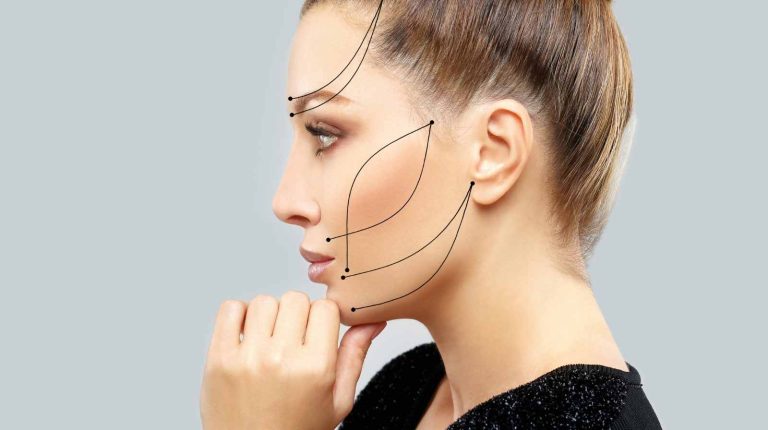
You may consider a malar lift if you have:
- a sagging of the cheekbones giving a tired appearance to the face;
- a loss of volume in the mid-third of the face;
- deepening of the nasolabial folds due to tissue descent;
- accentuated dark circles due to lack of malar support;
- a face that appears heavier or sad despite still toned skin.
This procedure can be suitable for patients of various ages, depending on their facial morphology and the concerns they experience.
Situations requiring a different approach
An alternative may be proposed if:
- the request primarily concerns an excess of skin in the lower face, which would be better addressed by a facelift;
- the concern stems mainly from a lack of volume, which could be treated with fat grafting or injections;
- the loss of tone is moderate and can be improved with non-surgical methods.
Consultation process
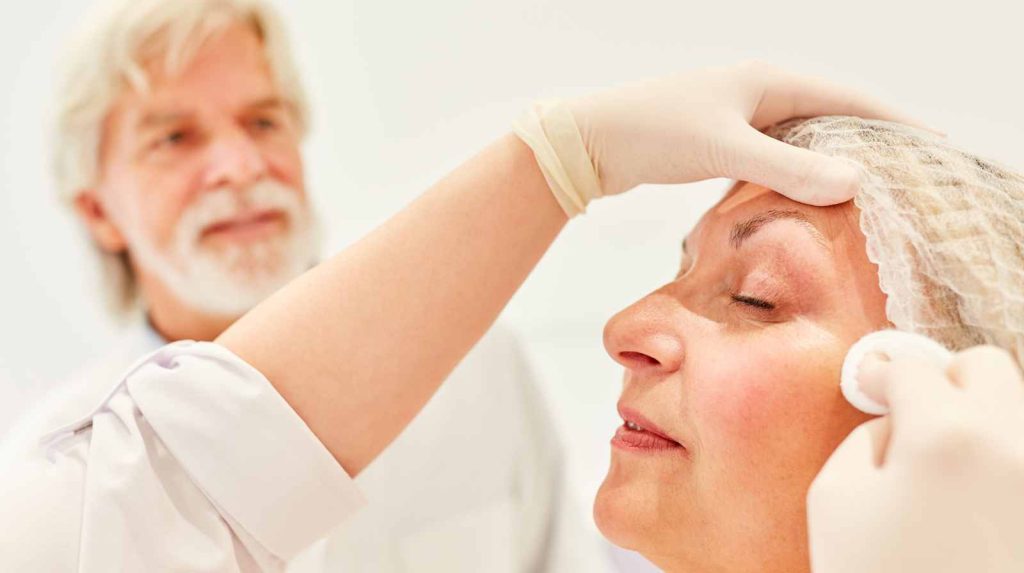
You will meet with the surgeon at the clinic to:
- analyze the malar structure, the position of the volumes, and the skin quality;
- discuss your expectations and their surgical realism;
- review your medical history and current treatments;
- explain the possible techniques, scars, recovery, and limitations.
Medical photographs may be taken for follow-up purposes.
Preparation steps, necessary examinations, technical choices, quote, explanations on recovery
Pre-operative preparation
Before the procedure, the surgeon may schedule:
- an anesthesia consultation, depending on the planned anesthesia;
- additional tests if your health condition requires them;
- adjustments to certain medications, based on specialist advice.
You will receive specific instructions regarding hygiene and preparation.
Technical choices
A malar lift is a tailor-made surgery. The surgeon will adapt:
- the incision approach, often discreet, sometimes in the lower eyelid or temples;
- the plane for repositioning deep tissues;
- the potential combination with blepharoplasty or another facial procedure, if deemed appropriate.
Each decision is based on your clinical examination and your goals.
Quote and information
A personalized quote will be provided after the consultation.
It is your responsibility to understand the expected results, the limitations, and the post-operative recovery process.
When certain elements depend on tissue response, the conditional tense will be used.
The procedure in practice
Anesthesia
A malar lift is most often performed under general anesthesia.
Another option may be discussed depending on the indication and your medical file.
The anesthesiologist will confirm the choice after evaluation.
Duration and hospitalization
The operating time varies depending on the chosen technique and any associated procedures.
The procedure takes place in an authorized surgical facility, separate from the clinic.
Short hospitalization may be offered, or outpatient care depending on the case.
Main technical principles
The surgeon will perform:
- a precise dissection of the tissues in the mid-third of the face;
- an upward repositioning of the cheekbones;
- stable fixation of the tissues to limit recurrence;
- careful closure to minimize scar visibility.
The goal is a natural result, without excessive traction.
Post-operative recovery
Pain and sensations
You may experience a feeling of tightness, facial discomfort, or altered sensitivity.
Pain is usually moderate and managed with appropriate painkillers.
Care and evolution
Swelling and bruising may appear in the cheeks and lower eyelids.
These symptoms will gradually subside.
You will be advised on local care, preferred sleeping positions, and actions to avoid.
Return to activities and follow-up
You will gradually resume your activities, following the given recommendations.
Follow-up consultations will monitor healing and the evolution of the results.
Results and scars
Expected result
The face will appear more rested, with better-supported cheekbones.
The folds will appear softened by the repositioning of the volumes.
The result will refine over several weeks, sometimes longer depending on your skin.
Facial aging will continue naturally over time.
Scars
The scars will be placed in discreet areas to remain barely visible.
Their quality depends on personal factors: skin type, local tension, post-operative care.
Satisfaction
Satisfaction depends on the alignment between your request, the chosen indication, and the procedure performed.
Precise communication during consultations promotes this coherence.
Risks and possible complications
A malar lift carries risks inherent to any surgery:
- hematoma or bleeding;
- infection;
- delayed healing;
- visible or irregular scarring;
- persistent asymmetry;
- temporary sensory disturbances;
- result deemed insufficient or excessive, potentially requiring revision.
You should contact the surgeon or the surgical facility in case of abnormal pain, fever, sudden swelling, or persistent anomaly.
Fees and coverage
Coverage
A malar lift is considered an aesthetic procedure.
It is generally not covered by Social Security.
Indicative price range
According to the provided price list, a malar lift starts from €6,000.
The price depends on associated procedures, anesthesia fees, and surgical facility costs.
The exact amount will be detailed on the quote provided during the consultation.