
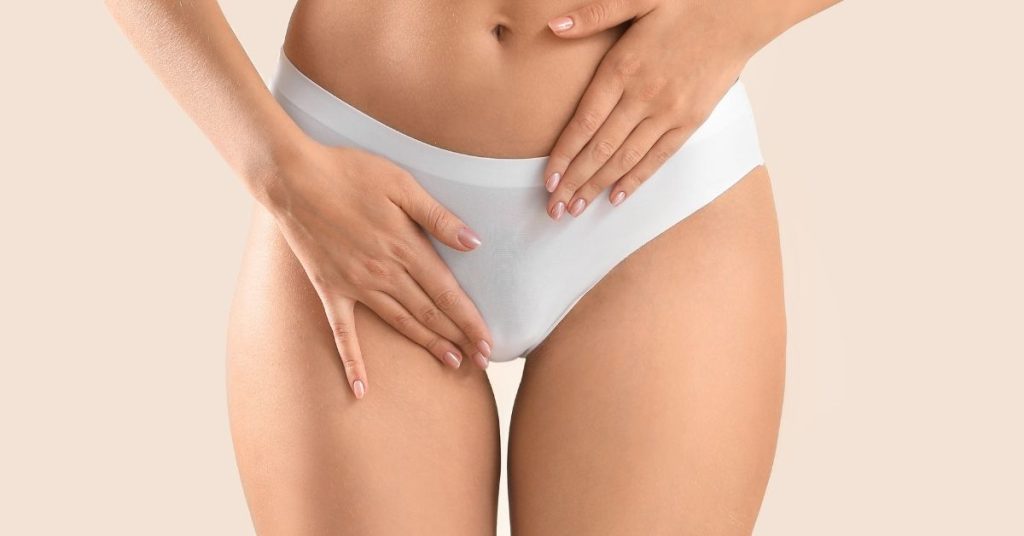
The mons pubis is one of the more overlooked regions of the female pubic area, and one that patients rarely name out loud even when it bothers them. Sitting just above the pubic symphysis, it matters anatomically, and for many women it matters aesthetically too.
Anatomy of the Mons Pubis
The mons pubis forms a prominent part of the lower abdomen. It is a mass of adipose tissue lying in front of the pubic bone, which creates that distinctive elevation. The fat is far from incidental: it cushions the genital organs underneath. Knowing how the area is built takes much of the mystery out of the concerns people bring to consultation.
For many women, the mons pubis counts as an attractive area and shapes how they perceive their own femininity. Thickness and shape vary with genetics, hormonal changes, and weight gain. These natural differences lead some individuals to consider cosmetic surgery to adjust its appearance.
Pubic Symphysis: A Deeper Understanding
The pubic symphysis is the joint between the two pubic bones and holds a central place in pelvic stability. The mons pubis consists essentially of adipose tissue, yet it sits directly over this structure. By absorbing minor physical trauma, it helps everything underneath work properly.
The mons pubis also takes part in distributing pressure during everyday activities: walking, running, sitting. Despite its apparent robustness, the region can become a source of pain or discomfort when the surrounding tissue or muscle organisation loses its balance.
Aesthetic Considerations and Body Dysmorphia
Fashion and popular culture shape how we look at our bodies, and the mons pubis is no exception. In some cultural contexts, a flatter, more discreet mons pubis is preferred, which has driven up demand for procedures such as targeted liposuction.
Cosmetic surgery can address genuine concerns about excess adipose tissue. Before operating, I want to know where the concern comes from: a considered personal wish, or external pressure tied to unrealistic beauty ideals? For more on these questions, visit the blog of Clinique Spontini Paris 16e.
Liposuction of the Mons Pubis: Procedures and Implications
- The procedure focuses on removing a specific excess of adipose tissue.
- It is generally performed under local anesthesia to minimize risks.
- Results usually include a more harmonious lower abdomen profile.
Liposuction here deserves the same caution as any surgical procedure. Understanding what the treatment can and cannot achieve comes first. Pre-operative consultations exist precisely so that patient and surgeon can go through realistic expectations against the improvements surgery genuinely offers.
The Mons Pubis and Overall Health
The shape and size of the mons pubis often track wider aspects of general health. A noticeable change in its volume can signal weight fluctuation, hormonal disturbance, or another underlying issue. Rapid changes are worth having assessed by a healthcare professional.
A balanced diet and regular exercise help stabilise adipose tissue in this region as in the rest of the body. That does not always remove the need for an aesthetic intervention, but it supports the overall result and holds it over time.
Medical Support and Daily Care
Talking openly about your mons pubis with your doctor is what makes an informed decision possible. Whether the goal is prevention, management, or intervention, proper support takes the anxiety out of bodily changes, whether natural or anticipated.
A simple, attentive care routine improves comfort in this area. Pay attention to fabric quality, favour breathable materials, and avoid overly tight clothing, which compresses the region and restricts blood flow.
Frequently Asked Questions about the Mons Pubis
What is the main function of the mons pubis?
The mons pubis protects the genital organs by cushioning shocks thanks to its adipose tissue. Located in front of the pubic symphysis, it contributes to physical comfort during daily movements such as walking or running.
Can the appearance of one’s mons pubis be modified without surgery?
Yes, by adopting a healthy diet and a targeted exercise program. However, these methods are not always sufficient to significantly reduce adipose tissue, in which case liposuction may be considered for a more direct result.
What are the risks associated with liposuction of the mons pubis?
As with any surgery, liposuction carries risks, including infections, skin irregularities, or reactions to anesthesia. Discussing your detailed medical history with a qualified surgeon minimizes these risks.
Do men also have a mons pubis?
In men, this area also exists but is less pronounced than in women, as it contains less adipose tissue. Often, it is simply considered a uniform extension of the lower abdomen.