

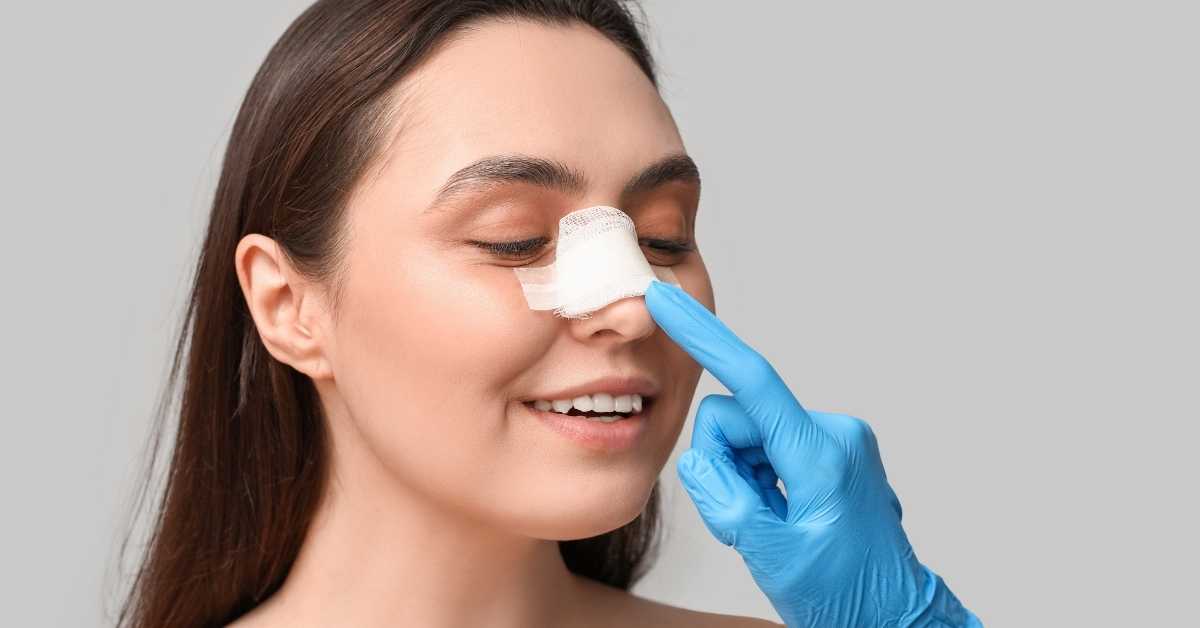
Why is a nasal splint used after rhinoplasty?
The nasal splint is an essential tool after rhinoplasty. Its main function is to stabilize the bony and cartilaginous structures shaped during the operation. It acts as a real shield that protects the nose during the crucial first few days for healing.
Wearing a splint also helps to limit swelling and harmoniously maintain the shape given to the nose by the surgeon. This device helps to prevent early deformities, especially if the nose receives an accidental blow shortly after the procedure.
What is the typical duration of wearing a splint after rhinoplasty?
The duration of wearing the splint raises many questions for patients. Although each case is unique, most surgeons recommend keeping the nasal dressing on for seven to ten days after the operation. This period can vary depending on the type of procedure performed and each individual’s healing rate. To learn more about this cosmetic surgery, discover the page dedicated to rhinoplasty.
As a guideline, here are some common benchmarks observed during rhinoplasty:
- For structural rhinoplasty (involving bone modification), the splint is often kept on for eight to ten days.
- In lighter or exclusively cartilaginous procedures, removal around the sixth or seventh day is sometimes considered.
- Some practitioners offer an intermediate check-up to adjust the duration, especially in cases of significant swelling or slow healing.
Furthermore, it is interesting to examine how the nose evolves after such an operation: the healing process is gradual and requires patience and medical follow-up. If this intrigues you, consult this article on the evolution of rhinoplasty.
The splint removal process
The splint removal takes place during a pre-scheduled post-operative consultation, usually one week after rhinoplasty. The practitioner then gently removes the nasal cast to avoid traumatizing the already fragile skin.
On your part, no specific action is required before this appointment: simply avoid any contact or pressure on the splint until it is removed. Of course, it is best never to try to remove it yourself.
What does it feel like when the splint is removed?
Removal generally does not cause any major pain, but some patients report a strange sensation related to the nose being freed. The actual volume is then revealed, even though swelling and bruising are still visible at this stage.
The initial appearance of the nose immediately after removal does not reflect the final result. It will be necessary to wait several weeks to appreciate the final shape achieved after rhinoplasty.
What to do after the splint is removed?
Once the splint is removed, vigilance must remain. The healing phase continues beneath the surface, far from being complete on the day of removal. Two essential pieces of advice: protect the operated area and monitor its progress during the next post-operative consultations.
Your surgeon may recommend gentle nasal massages or appropriate skin care in the following weeks. They will advise avoiding any activity that could lead to facial impact for about a month. Resuming sports, wearing heavy glasses, or intense sun exposure should therefore be postponed.
When do swelling and bruising disappear?
Swelling and bruising are logical consequences of the surgical procedure, but their extent varies greatly from one individual to another. In most cases, bruising disappears within two weeks following splint removal.
Swelling begins to decrease noticeably from the second week, but often persists in small amounts for several months, mainly affecting the tip of the nose.
Social downtime after splint placement: how long to wait?
There is no strict rule for the duration of social downtime after rhinoplasty, but many prefer to wait until the nasal cast is removed and the visible marks have significantly diminished. About ten days of social leave often corresponds to the period when the splint is worn and swelling is most pronounced.
This timeframe is adjusted according to professional life, the extent of bruising, or the nature of the work performed. Returning to an active role requiring a face exposed to the public sometimes necessitates waiting a little longer.
How to improve healing after rhinoplasty?
Promoting good healing begins as soon as you leave the operating room. After the splint is removed, adopting a few simple practices can make a real difference:
- Protect your nose from blows and avoid wearing heavy glasses
- Gently clean the skin of the nose without rubbing or pressing
- Apply a healing cream if prescribed
- Avoid prolonged exposure to the sun or high heat to prevent pigmentation of the operated area
- Scrupulously follow each step of the follow-up during post-operative consultations
Adhering to these recommendations directly influences recovery and reduces the risk of late complications, such as irregularities or secondary nasal deformity.
Achieving a harmonious nose also involves careful observation of tissue evolution, particularly during the first six months, a period during which touch-ups may be considered if necessary.
Can the duration of wearing a splint after rhinoplasty be personalized?
Not all patients require identical treatment. Skin elasticity, the complexity of the rhinoplasty, tolerance to the nasal splint, or the presence of an additional nasal dressing influence the exact duration of splint wear.
In close consultation with your surgeon, it is possible to adjust this period based on the observed progress during post-operative consultations. These personalized adjustments aim to optimize both the effectiveness of the support and the comfort of your recovery.
