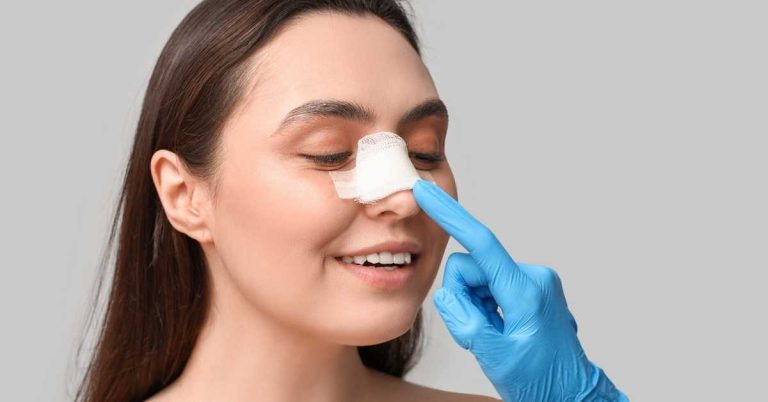


Understanding the Basics of Both Techniques
Two approaches currently dominate nose surgery: classic rhinoplasty, the one practised for decades, and ultrasonic rhinoplasty, more recent, valued for its precision and the limited trauma it causes.
Why does recovery differ so much depending on the technique? Everything comes down to how the surgeon sculpts the bone and cartilage of the nose. The instruments used shape not only the operation itself but everything that follows, from the moment you wake up in the recovery room.
What are the traumas induced by each technique?
Talking about recovery means talking first about the micro-traumas each technique inflicts. Classic rhinoplasty relies mainly on traditional instruments (hammers, rasps, striking chisels) which sometimes cause collateral damage to the surrounding tissues.
Ultrasonic rhinoplasty, by contrast, uses tips that cut or reshape bone with ultrasound while sparing the neighbouring soft tissues. The point of this technological evolution: minimise lesions as much as possible, avoid significant haematomas and limit troublesome bruising.
- Manual instruments in classic surgery: risk of less controlled fractures.
- Ultrasonic vibrations in ultrasonic rhinoplasty: precise, targeted cutting, limited trauma.
What differences are observed in bruising and swelling?
After a rhinoplasty, patients often dread the bruising that appears around the eyes and nose. These purple marks are not only an aesthetic issue; they weigh on how you feel throughout recovery.
Classic rhinoplasty frequently produces marked bruising and pronounced swelling that can last several weeks. They reflect the trauma sustained by the highly vascularised facial tissues during the mechanical fracture.
Because its vibrations are selective, ultrasonic rhinoplasty limits the spread of the shock to the surrounding tissues. Patients generally notice less bruising, less swelling and less postoperative discomfort.
Some resume their social life sooner simply because the visible marks fade faster. A detail on paper, but one that changes the experience of convalescence considerably.
Each body reacts in its own way, of course. Some patients naturally develop more oedema or bruising, whatever the type of procedure; others heal quickly and enjoy an accelerated recovery. Statistically, though, the ultrasonic technique scores better on post-operative comfort.
Recovery time after cosmetic surgery always depends on the technique used and on each patient’s individual reactions, as observed after other operations as well.
Pre- and postoperative measures (cold applications, rest, anti-inflammatory treatment when prescribed) remain essential to an optimal recovery in both cases.
How does recovery speed evolve?
The question every patient asks: how many days or weeks before returning to a normal routine? The splint removal time hardly varies, seven to ten days in general. The appearance of the face and the overall feeling, on the other hand, differ noticeably between the two methods.
Ultrasonic rhinoplasty often allows a quicker return to work or social activities: a gain of three to seven days in some cases. That matters when professional, family or social visibility counts.
- Classic rhinoplasty: marked swelling, persistent bruising, prolonged fatigue.
- Ultrasonic rhinoplasty: shorter convalescence, reduced pain.
Worried about pain after the operation? With the ultrasonic technique, pain is usually easier to control because nothing is broken, shattered or violently displaced. The need for strong painkillers drops accordingly.
Classic rhinoplasty sometimes requires more analgesia, particularly during the first days. Post-operative comfort suffers, and the period of discomfort and vigilance stretches out.
Follow-up differs little between the two, apart from closer monitoring after a classic procedure because of the higher risk of haematoma. At each appointment, the surgeon checks the resorption of the swelling, the progress of healing and the disappearance of the external signs of trauma.
Whichever version you choose, traditional or ultrasonic, keep talking to the healthcare team: complications are rare but possible in any surgical practice, and early detection makes all the difference.
What criteria should be considered when choosing a technique based on recovery?
Back to the essentials: what should you weigh when hesitating between ultrasonic and classic rhinoplasty, if your priority is an easier recovery?
The decision does not rest on the type of rhinoplasty alone. It must factor in your expectations, your lifestyle and the initial structure of your nose. For some, reduced bruising is reason enough to choose the ultrasonic technique. For others, work or sport dictates a quick return to activity, and therefore a convalescence kept to the strict minimum.
- Individual sensitivity to pain and tendency to bruise.
- Professional or social commitments in the weeks following surgery.
- Surgeon’s preferences and technical feasibility.
- Specific needs related to nasal morphology or medical history.
I insist on this last point: each method has its indications. A personalised consultation with the surgeon remains the best way to define the strategy suited to your situation. Understanding the impact of the different instruments used and anticipating the stages of recovery contributes directly to the success of the intervention.