

Understanding Diastasis Recti
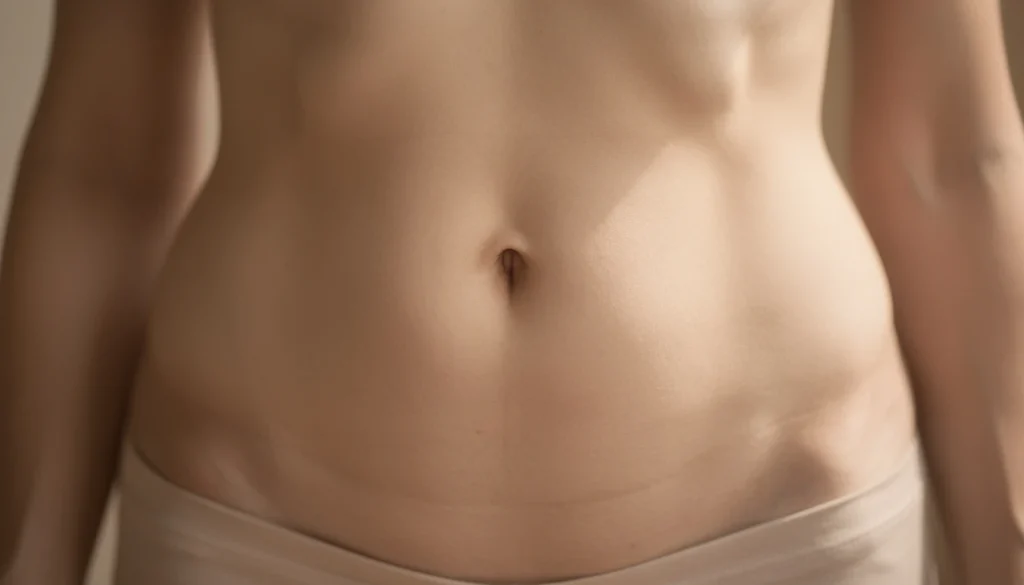
Diastasis recti, also known as muscle separation, refers to the abnormal widening of the abdominal muscles located in the center of the abdomen. More specifically, the two muscle bands called “rectus abdominis” move away from each other, creating a visible or palpable space between them.
This phenomenon affects both women and men, but it occurs more frequently after pregnancy or a distended abdomen due to significant abdominal stretching. Under the effect of the stretching caused by these situations, the linea alba connecting these muscles relaxes. The result: the appearance of the abdomen changes, sometimes accompanied by pain or a feeling of weakness.
What are the causes of Diastasis Recti?
One of the main causes of diastasis remains pregnancy. Under the pressure of the growing baby, the abdominal muscles gradually separate. After childbirth, it sometimes happens that they never fully return to their original position, especially if the abdominal wall has been greatly stretched.
Other factors also contribute to this widening of the abdominal muscles. Regular sports practice that intensely engages the abdominals without respecting their anatomy, significant overweight, or certain genetic factors can amplify muscle separation in some individuals even without having experienced pregnancy.
Common Symptoms Related to Diastasis
How do you know if you are affected? The symptoms of diastasis go far beyond a simple aesthetic concern. You may experience a loss of abdominal tone, a slight central bulge during exertion, or a feeling of lumbar weakness. Some also describe recurrent digestive discomfort or unexplained pelvic pain.
I often notice complaints about difficulty correcting posture despite repeated efforts, or a certain discomfort when lifting heavy objects. Of course, each case is different, and not all rectus abdominis separations necessarily produce all of these signs.
Possible Long-Term Complications
Ignoring diastasis is never trivial. If muscle separation is left to progress, the abdominal wall continues to lose its supportive effectiveness, exposing the individual to abdominal hernias or chronic postural disorders.
Furthermore, joint wear and excessive muscle compensation in the back can lead to persistent pain over time. The goal is therefore not only aesthetic but also functional, to regain strength and stability in daily life.
The Limits of Exercise for Diastasis Recti
It would be tempting to believe that any surge of athletic motivation magically resolves a rounded or distended abdomen. However, traditional muscle strengthening rarely provides the expected solution. Why is this?
The main advantage of exercise usually lies in developing muscle mass and improving overall tone. But when the central “seam,” meaning the linea alba, has lost all elasticity, contractions end up accentuating the separation instead of reducing it.
Inappropriate Exercises: An Aggravating Risk
Certain inappropriate exercises place additional pressure on the weakened area. As I have observed in many patients, classic crunches or dynamic planks sometimes push the muscle edges further apart, diminishing the possibility of spontaneous closure.
Why does this happen? Because the powerful contraction involved during these activities multiplies the tension on the already fragile central part. Rather than a beneficial effect, the result is often an aggravation of the problem.
Ineffectiveness of Exercise for Correcting Confirmed Diastasis
Once muscle separation is established, neither Pilates sessions nor core strengthening can permanently rejoin the rectus abdominis muscles. Beyond a certain gap – generally more than two centimeters – natural healing of the linea alba becomes impossible through voluntary muscle work alone.
As you understand, even when performing so-called “corrective” exercises, there always remains a threshold where only medical or surgical intervention can close the gap. Exercise then retains its place in supporting the recovery process, but it never constitutes the primary solution for closing diastasis. To learn more about treatments dedicated to this muscle separation, discover this page dedicated to diastasis recti correction.
What Alternatives Exist for Muscle Separation?
Given the persistence of diastasis, various options exist to regain a flat and functional abdomen. It’s no longer about doing endless crunches or relying solely on pelvic floor rehabilitation. The goal is to restore anatomy through strategies adapted to each individual.
Diastasis correction today relies on two main approaches: conservative methods (when feasible) and reconstructive surgery. It is important to discuss with a trained professional to choose the approach best suited to your situation.
Non-Surgical Measures and Prevention
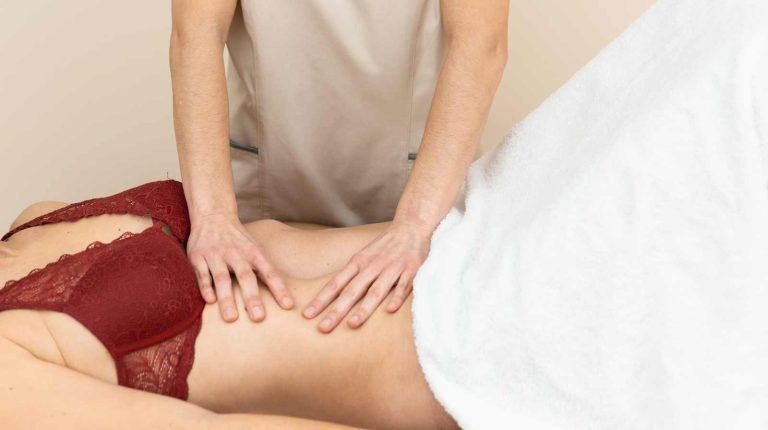
Certain gentle approaches remain relevant in some recent or mild cases. These include specific physiotherapy techniques, such as:
- Hypopressive abdominal rehabilitation
- Wearing temporary medical girdles
- Personalized support from an experienced physiotherapist
While these solutions support recovery, they do not close an old and wide diastasis. Hence the importance of quickly assessing the extent of the separation, particularly after pregnancy.
Surgical Correction of Diastasis: How It Works
As soon as diastasis significantly impacts posture or appearance, surgery becomes the recourse. This procedure involves tightening the rectus abdominis muscles and reinforcing the linea alba. The operation allows for a flat and firm abdomen, limiting the risk of recurrence.
It also offers considerable benefits in terms of comfort and mobility. Rigorous postoperative follow-up, combining rest and progressive muscle strengthening, then promotes optimal recovery, often superior to that achieved by physical activity alone.
Should Exercise Continue in the Presence of Diastasis?
Stopping movement is not recommended, both for overall balance and to prevent muscle loss. What matters is adapting the choice of exercises and avoiding those that risk worsening the widening of the abdominal muscles.
I always recommend specific support based on pelvic floor protection and movements designed to stabilize the core without excessive pressure. Here are some principles to guide your exercise sessions:
- Avoid movements that promote excessive curvature of the torso
- Prioritize gentle exercises that engage the deep muscles
- Work under supervision to prevent any inappropriate movements
This personalized approach helps maintain overall fitness while respecting the structural constraints related to muscle separation.

