

How to prepare for recovery?
The first step begins even before the operation. To experience a good recovery, it is best to anticipate certain arrangements and organize your environment. Returning home will be more peaceful if everything is ready in advance: suitable clothing, a comfortable resting space, a medicine cabinet stocked with necessary products.
Once the intervention is complete, scrupulously following the instructions given by the surgeon remains fundamental. For example, arranging for home help for the first few days often facilitates rest after the operation, especially if movement of the upper body is limited.
What post-operative care should be planned?
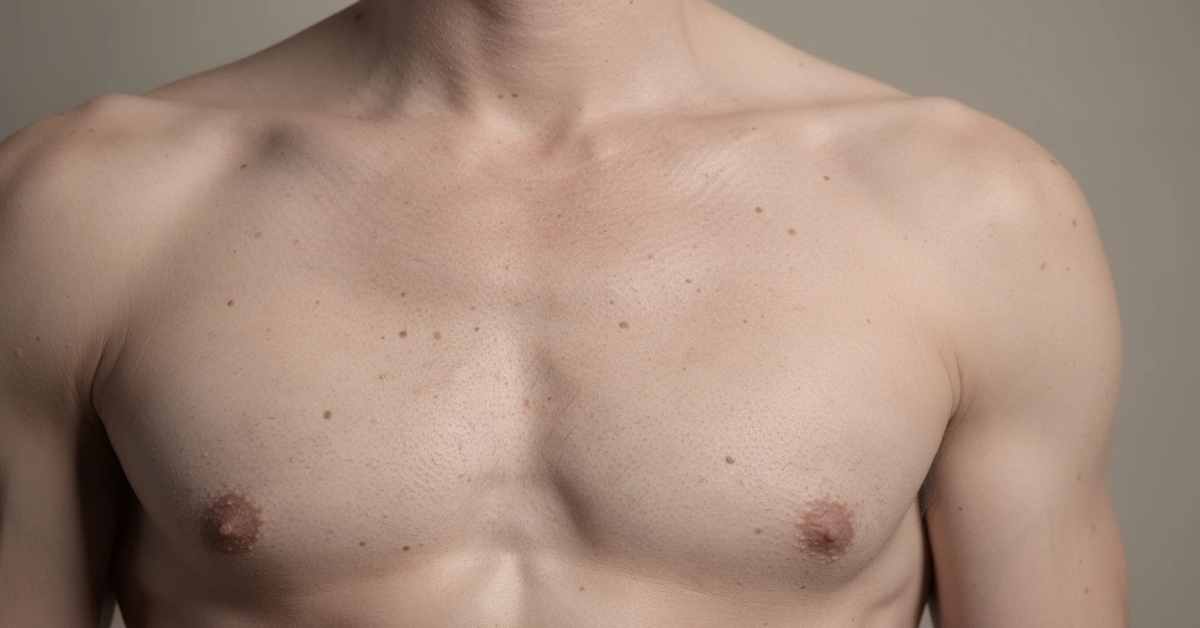
As soon as you leave the clinic, your medical follow-up begins. Post-operative care includes regular cleaning of wounds and changing dressings according to a strict protocol. Wearing a compression garment is generally prescribed the next day, sometimes even in the recovery room. This garment helps to limit swelling and bruising and promotes optimal healing. One of the most frequent interventions concerning the male chest remains gynecomastia.
The doctor always gives you a prescription mentioning, among other things, the prescription of painkillers: managing pain as soon as the first uncomfortable sensations appear plays a key role in preventing any prolonged discomfort. Even if the medications prescribed are effective, never stop a treatment without medical advice.
Should sick leave be planned after the operation?
For the vast majority of patients, sick leave is recommended for several days, or even two to three weeks depending on the nature of the surgical procedure and professional activity. This measure aims to ensure complete rest after the operation and to limit movements that could compromise recovery. Some people may also consider bariatric surgery after significant weight loss.
Manual laborers, in particular, will have to wait before resuming their usual tasks. Premature return exposes them to an increased risk of complications, such as seroma formation or wound dehiscence.
What are the typical stages of recovery?
The recovery period does not follow a rigid schedule: everyone heals at their own pace, but there are some common major phases. Understanding this evolution helps to avoid alarm when faced with certain frequent symptoms and to adopt good habits throughout the process.
In general, here is how the main stages unfold:
- First week: Moderate to significant discomfort, need for strict rest, application of daily local care.
- Second to fourth week: Return of energy, progressive decrease in swelling and bruising, possibility of gently extending light activities.
- Beyond one month: Beginning of the resumption of gentle physical exercises, scars maturing, monitoring of the aesthetic result.
Regular follow-up with the practitioner at each stage provides reassurance and allows for rapid detection of any anomalies, such as infection or fluid accumulation under the skin.
How to manage pain and discomfort?
Post-operative pain varies, but generally it decreases significantly after a few days. Thanks to painkiller prescriptions adapted to each individual, most patients get through this phase with few major difficulties. However, it is still common to feel discomfort in the operated area, especially during certain movements.
If the pain persists or becomes intense, contact your medical team immediately. Other common manifestations, such as a pulling sensation in the tissues or small tingling sensations, correspond rather to the natural healing process.
Why is wearing a compression garment recommended?
Wearing a compression garment is an integral part of post-operative care. Its role goes far beyond simple support: it limits swelling, supports freshly operated tissues, optimizes the future appearance of scars, and helps prevent the risk of hematomas.
It must be worn day and night for at least four weeks, sometimes longer depending on the specialist’s recommendations. Too early removal frequently leads to less optimal aesthetic results, particularly in terms of the uniformity of the pectoral silhouette.
How long does total recovery take?
The duration of recovery varies depending on the procedure performed, but also on individual factors. Generally, two to four weeks of actual unavailability are expected, with particularly strict rest after the operation for the first ten days. After this period, a gradual return allows you to listen to your body, without overexerting yourself.
Remember: returning too quickly to certain activities often delays complete recovery. Patience is essential to ensure an uncomplicated progression and a lasting result.
When to consider resuming sports activities?
Resuming sports after chest surgery requires discernment and caution. Don’t expect to lift weights or run a marathon as soon as the stitches are removed! The initial goal is first to regain normal autonomy in daily activities, without pain or tension.
As a general rule, intense sports (weightlifting, swimming, team sports) remain contraindicated for up to six weeks after the intervention. Gentle activities such as walking can be resumed earlier, provided you listen to your own limits.
What signs should be concerning during the resumption of activity?
Certain signals warrant stopping all effort immediately and seeking medical attention without delay: sudden pain, sudden swelling, appearance of fever, or marked redness around the scar.
Also be aware of unusual pulling sensations, the reappearance of localized swelling, or small amounts of blood. These phenomena, although rare, require prompt evaluation to avoid any delay in treatment.
When can the first visible results be observed?
The definitive aesthetic outcome does not reveal itself suddenly. It takes several months to fully appreciate the transformation of the male chest following the operation, as the tissues continue to evolve internally. In the meantime, slight swelling may persist, and bruising takes several weeks to disappear.
The contour of the torso gradually becomes more defined. Control photos and regular visits allow for monitoring this progress and adjusting personalized follow-up if necessary. Each patient progresses at their own pace towards the expected result, but patience almost always pays off at this stage.
