

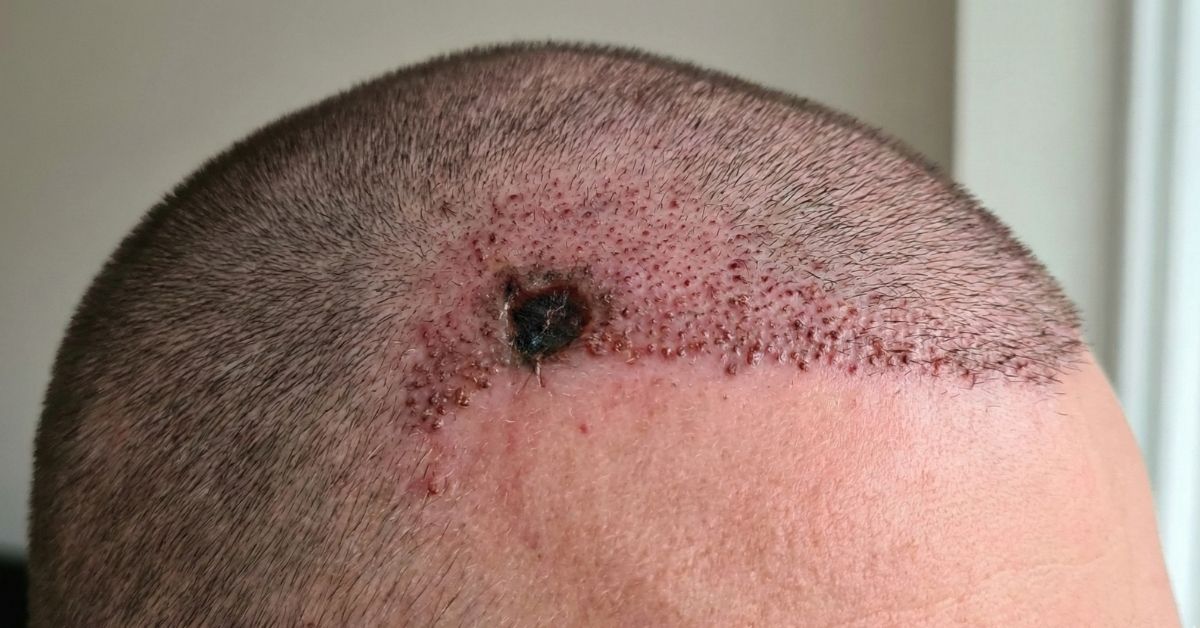
Have you recently undergone a hair transplant and are concerned about the post-operative period? As an aesthetic surgeon specializing in hair transplantation, I wish to address a rare but serious complication: necrosis. This article aims to enlighten you on the warning signs of possible necrosis and how to react to these symptoms. Hair transplantation being a delicate procedure, it is essential to remain attentive to unusually alarming changes to ensure a worry-free recovery.
What is Necrosis in the Context of Hair Transplantation?
Necrosis refers to the premature death of cells and tissues. In the context of hair transplantation, it generally occurs when an area of the scalp does not receive sufficient blood supply, which can be caused by several factors such as poor surgical technique or inadequate post-operative care. It is important to distinguish this condition from normal side effects associated with the procedure, such as slight redness or initial swelling.
Being aware of potential symptoms not only helps you avoid major complications but also protects your overall health. A common question is how long after the operation the signs of necrosis can appear. Know that it can vary, but it often manifests in the days or weeks following the transplant.
What are the Symptoms to Watch For After a Hair Transplant?
Immediate Physical Signs
Shortly after the procedure, it is natural to experience some moderate discomfort, but be careful if these symptoms persist or worsen. One of the first signs of necrosis can be localized intense pain. This pain is often more acute than what is usually felt after the operation and requires your immediate vigilance.
Other symptoms include a visible change in scalp color. Watch for any appearance of a black scab or dark spots, which could suggest a poorly healed wound or inadequate blood supply.
Sensory Changes and Infection
Scalp numbness is a common temporary sensation; however, a prolonged absence of sensation should alert you. This can indicate compromised underlying nerves which, coupled with other symptoms, could signal local necrosis.
A secondary infection is also a concern. Severe itching accompanied by an unusual rash and pus discharge from the grafted follicles are worrying. This is the time to consult your doctor.
- Excessive redness compared to the rest of the transplanted area
- Persistent swelling not relieved by recommended treatments
- Intense pain uncontrollable by ordinary painkillers
When Should You Contact Your Doctor?
Knowing that the initial recovery phases naturally include some discomfort, use your judgment. If you notice unusual symptoms or the aforementioned symptoms that seem to be worsening, do not delay in contacting your FUE/FUT hair transplant specialist.
Acting promptly can make the difference between a simple alert and the prevention of a severe complication. Your clinic will be equipped to assess your condition through a simple visual examination or additional tests if necessary.
Consequences of Delayed Treatment
If ignored, necrosis can lead to permanent hair follicle loss and require further corrective interventions. Moreover, leaving untreated necrosis can cause extensive infections or irreversible damage to the scalp.
Do not hesitate to keep all the information provided during your post-operative appointments to better follow the protocols guiding your return to normal. It is better to prevent than to suffer complications that are more costly to health and finances.
Post-Transplant Care: What to Pay Attention To
Rigorous Hygiene Practices
Ensure you follow the instructions given by your doctor for regular scalp care. Gentle washing with prescribed products will prevent the buildup of bacteria that can lead to infections. Also, be mindful of clothing and pillows that come into contact with the fragile area.
To promote optimal healing, limit anything that could irritate the scalp, including intense sun exposure or tight hairstyles that excessively strain the grafts.
Useful Materials and Recommendations
Here are some essential items to have on hand during your recovery:
- Sterile compresses and antiseptic solutions to gently clean the grafted area
- Anti-inflammatory and analgesic medications as prescribed by your doctor
- A soft cap protecting against UV rays while respecting the scalp structure
Frequently Asked Questions About Necrosis After Hair Transplantation
How to differentiate a normal scab from one symptomatic of necrosis?
Normal scabs tend to be light, gradually disappearing around two weeks after the transplant. In contrast, a persistent black scab with oozing or an unpleasant odor may signal necrosis requiring prompt medical attention.
| Type of Scab | Duration |
|---|---|
| Normal | Approximately 2 weeks |
| Symptomatic | Beyond 2 weeks with worsening symptoms |
Does necrosis affect all post-transplant patients?
No, necrosis is a rare complication that affects only a minority of patients, often linked to individual predispositions or non-compliance with medical recommendations. The success rate of well-supervised transplants remains high when health guidelines are followed.
What are the available treatments for a necrosis diagnosis?
Treatment will depend on the severity of the necrosis. Local antibacterial solutions, combined with surgical monitoring, may be necessary. If detected early, the affected part can be saved or restored by a minor additional procedure.
What are the risk factors that increase the likelihood of necrosis?
Smokers or individuals with circulatory disorders face an increased risk of necrosis. A thorough preliminary consultation to discuss medical history and habits is vital to minimize associated risks.
- Smoking
- Poorly controlled diabetes
- Insufficient blood supply
