
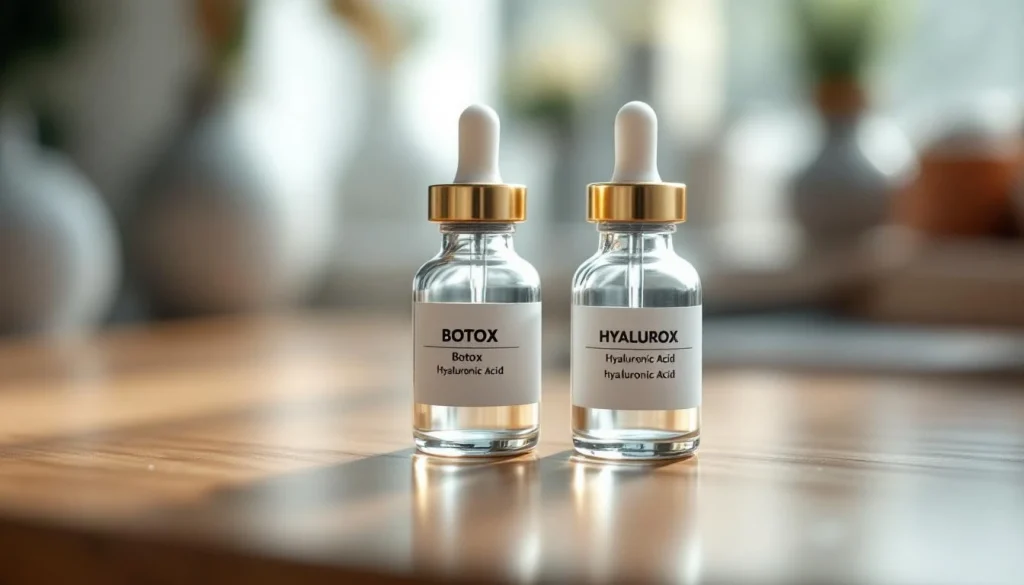
Patients weighing up Botox against hyaluronic acid usually arrive with the same question: which one does what? Both are non-surgical treatments used to soften wrinkles and restore facial volume, yet they act on entirely different targets. Here is how each one works, what it treats, and what it delivers.
What is Botox?
Botox, known technically as botulinum toxin, is a purified protein. It temporarily relaxes the muscles responsible for expression lines and works best on specific areas: the forehead, crow’s feet, and the frown lines between the eyebrows. In short, it reduces the muscle contractions that carve those wrinkles.
Part of its appeal lies in interrupting the repetitive movements that deepen lines over the years. The effects of an injection last between three and six months, after which the treatment has to be repeated to maintain the result.
How does Botox work?
Injected into a specific muscle, the protein blocks the nerve signals that tell it to contract. The wrinkles sitting above that muscle then soften gradually. This mechanism spares the skin from the long-term creasing that produces visible signs of ageing.
As with any injectable treatment, the person holding the syringe matters. A qualified practitioner avoids side effects such as excessive weakening of neighbouring muscles or a frozen expression.
What is Hyaluronic Acid?
Hyaluronic acid occurs naturally in the body, particularly in the skin, the eyes, and the joints. It maintains skin hydration and firmness thanks to its ability to attract and hold water.
In aesthetics, it serves as a volumizing filler. It fills static wrinkles, enhances lips, and restores volume to hollow cheeks. Its action is mechanical rather than neurological: it physically occupies the space where volume is missing, hydrating the skin and giving it a younger, more elastic look.
How does Hyaluronic Acid work?
Hyaluronic acid retains up to a thousand times its weight in water, which makes it an excellent natural moisturizer. Injected into the skin, it draws in moisture and plumps the area immediately, restoring facial volume without surgery.
Filling effects typically last between six months and a year, depending on the product chosen and on individual metabolism. As with Botox, regular injections maintain the firmness and volume regained.
Key Topics to Consider Between Botox and Hyaluronic Acid
When choosing between an injection of Botox and one of hyaluronic acid, weigh the following:
- Nature of wrinkles: Botox is ideal for dynamic wrinkles, caused by repeated muscle movements, while hyaluronic acid better treats static wrinkles due to skin laxity.
- Targeted areas: Botox is generally used on the upper third of the face (forehead, eyes), whereas hyaluronic acid is more suitable for the lower and middle parts of the face (lips, cheeks).
- Duration of effectiveness: While Botox offers noticeable improvement for three to six months, hyaluronic acid-based products tend to last up to a year.
- Desired effects: Are you looking to smooth expression lines or restore volume? The choice of one or the other will depend on this goal.
Side Effects and Safety Considerations
Like any medical procedure, Botox and hyaluronic acid injections carry risks and possible side effects. Performed correctly, both remain very safe, but you should know what you are agreeing to before either treatment.
Mild bruising, temporary swelling, or increased sensitivity around the injection site can occur with both. These symptoms clear within a few days. Rare cases call for closer medical follow-up.
Precautions for Botox
The use of Botox demands particular care. Check that the facility follows strict hygiene protocols and that the practitioner has recognised expertise, which limits the risk of the toxin diffusing where it should not and disturbing normal facial expression. For more information on available treatments, consult professional sources such as those offered by reputable clinics.
Precautions for Hyaluronic Acid
Hyaluronic acid is relatively safe, though not risk-free. Verify that the product used is approved and that the practitioner masters the techniques that optimise facial symmetry while avoiding vascular occlusion, a rare but serious complication.
FAQs on Botox and Hyaluronic Acid Treatments
Can Botox and Hyaluronic Acid be combined?
Yes, both treatments can be effectively combined. This approach protects against excessive muscle movements in the upper face with Botox and corrects volume loss in the rest of the face with hyaluronic acid.
What are the average costs of these treatments?
The cost of treatments varies by geographic region and practitioner. Here is an approximate estimate:
| Treatment | Estimated Cost (in euros) |
|---|---|
| Botox | 300 to 500 per area |
| Hyaluronic Acid (injections) | 350 to 600 per syringe |
Are there any contraindications for Botox and Hyaluronic Acid?
Certain individuals should avoid these treatments, particularly those with a history of severe neurological conditions, active skin infections, or known allergies to the injected substances. A prior consultation with a healthcare professional is recommended.
How long does it take to see results?
Botox generally takes three to five days to produce its first effects, reaching its maximum effect after about two weeks. In contrast, the results of hyaluronic acid are visible almost immediately after injection.