

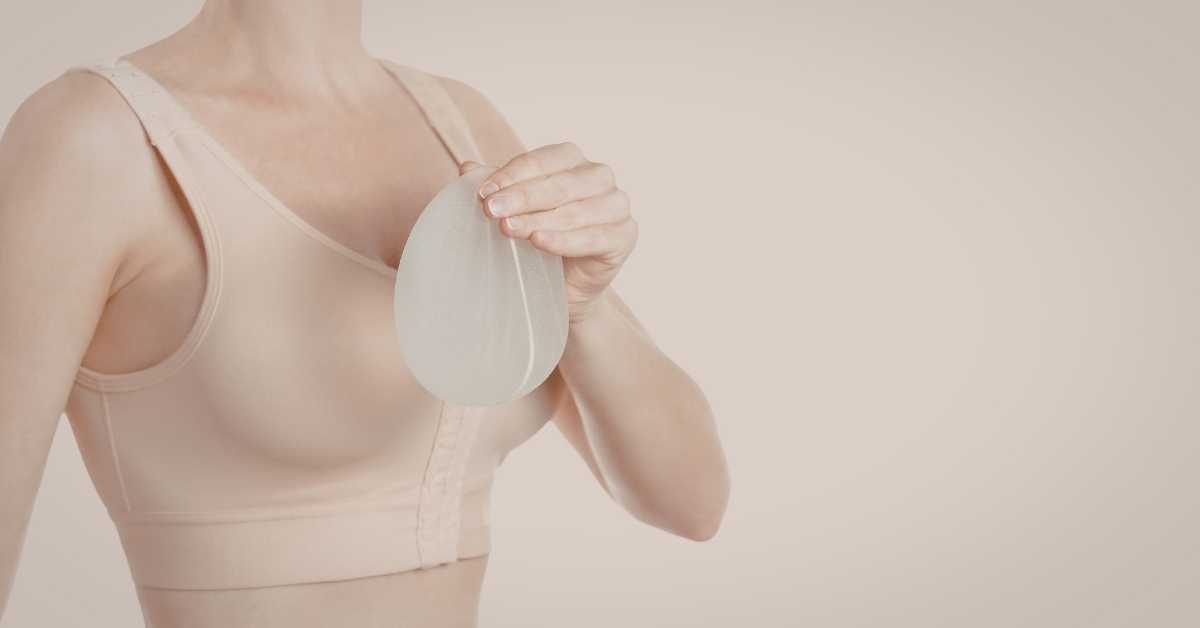
What are the positioning options for a breast implant?
When considering breast augmentation, there are two main families of placement. The implant can be placed in front of the pectoral muscle, which is called subglandular position or pre-pectoral, or placed behind the muscle, in retro-muscular position, retro-pectoral or sub-pectoral. Each technique has its own characteristics. By understanding these distinctions, you can move towards a choice that suits your body shape and expectations.
The implant positioning influences several aspects: the appearance of the breast, the sensation to the touch, healing, but also the potential risk of complications such as capsular contracture or the visibility of rippling in some cases.
For those considering surgery, it is recommended to consult an experienced surgeon specializing in breast augmentation to receive personalized advice. This approach promotes a clear understanding of the steps and available choices.
Placements in front of the muscle: what are the specifics of the subglandular or pre-pectoral position?
The option of breast implant in front of the muscle generally corresponds to the subglandular position, also called pre-pectoral. In this configuration, the implant rests directly under the breast gland but remains above the pectoral muscle. This approach is common and offers particular advantages, especially when there is sufficient glandular tissue to properly mask the prosthesis.
Before considering the best method, it may be wise to better understand what breast augmentation in cosmetic surgery is. This allows for differentiation between various techniques such as the use of implants or volume enhancement through fat transfer.
An implant in the subglandular position is particularly suitable for patients who already have a significant thickness of natural breast tissue. This limits the risk of artificial contours appearing around the prosthesis or other visible imperfections.
What are the advantages of choosing an implant in front of the muscle?
Opting for the pre-pectoral position can offer a natural aesthetic result for some women, especially if they already have existing breast fullness. The shape of the breast appears less rigid and retains some mobility during movement, as the implant is not subject to muscle contraction.
Furthermore, the surgical procedure tends to be quicker, post-operative recovery often involves less muscle pain, and a return to physical activity can generally be achieved more quickly than after a retro-muscular placement.
What are the disadvantages and limitations of the subglandular position?
If the tissue coverage is insufficient, an implant placed in front of the muscle can become visible, sometimes causing a demarcation around the prosthesis. This phenomenon can accentuate undesirable effects such as palpability or the risk of rippling, especially in very thin women.
Moreover, the risk of capsular contracture (a rigid capsule surrounding the breast implant) is slightly higher compared to the sub-pectoral position. This factor should therefore be taken into account in the overall consideration.
Breast implant behind the muscle: focus on the retro-muscular and dual plane position
Conversely, placing a breast implant behind the muscle means inserting the implant entirely or partially under the pectoralis major muscle: this is the retro-muscular position (or retro-pectoral/sub-pectoral). Among modern variations, the so-called dual plane technique combines different degrees of muscle coverage, offering a personalized compromise according to individual needs.
This type of placement is particularly indicated for women with little breast gland or who wish to reduce the visibility of the prosthesis edges. It also provides additional guarantees against certain long-term complications.
The benefits of an implant behind the muscle
The natural appearance achieved with the retro-muscular position primarily comes from the additional thickness provided by the muscle, which effectively covers the breast implant in the upper part of the breast. This coverage limits the visibility of the prosthetic contour and reduces the likelihood of feeling the prosthesis to the touch.
Furthermore, the incidence of capsular contracture is generally lower than with subglandular placement. For athletic or thin women, this positioning makes any irregularities caused by the implant less noticeable.
Are there any disadvantages to opting for the retro-muscular position?
Despite its advantages, the retro-muscular position has some drawbacks. Post-operative recovery sometimes includes increased muscle pain and a longer recovery period, as the muscle must adapt to the presence of the prosthesis.
Certain specific activities, such as intense pectoral contractions (especially during sports activities), can temporarily alter the shape of the breast after retro-muscular surgery. These phenomena remain transient, however, but they are worth discussing before the procedure.
How to choose between the two positions for a breast implant?
Between breast implant in front of the muscle and breast implant behind the muscle, the best option depends on many specific factors that only a professional can assess during the consultation. This choice aims to ensure your visual satisfaction, your daily comfort, and the long-term stability of the result.
To help you make your decision, here are the main criteria taken into account when choosing:
- Thickness of existing breast gland
- Quality of the skin and underlying tissues
- Body shape and level of muscle activity
- Desired aesthetic result (full bust, very natural look, or augmented effect)
- Personal medical history
- Specific risks such as capsular contracture or prosthesis displacement
The combination of a dual plane technique is of increasing interest to surgeons. This hybrid method allows for good muscle coverage in the upper part of the breast, while offering the lower part a softer contour, adapted to each patient’s physique.
Ultimately, there is no universal solution. The choice between pre-pectoral, retro-muscular, or dual plane positioning is built through dialogue with your practitioner, based on your characteristics and concrete expectations. Taking the time to analyze the advantages and disadvantages of the positions will allow you to approach such a personalized procedure with peace of mind.
