
Hair loss, or alopecia, refers to excessive hair loss that can affect both self-esteem and morale. If you feel concerned, rest assured, you are not alone. Understanding the causes and contributing factors can help you combat this phenomenon. Genetic, hereditary, or resulting from hormonal imbalances, the reasons for hair loss are numerous.
Modern life, with its share of stress and its influence on our lifestyle, can exacerbate this condition. A balanced diet also plays a key role. Accurate diagnosis, medical consultations, and analyses are essential to correctly identify the problem. You will also discover natural methods and adapted aesthetic medicine treatments. Together, we will explore effective solutions to restore your confidence and vitality.
The different causes of hair loss (alopecia)
You’ve noticed your hair thinning and it worries you. Know that alopecia, or hair loss, can have several origins. Understanding these causes is essential to choosing the right treatment and regaining your peace of mind.
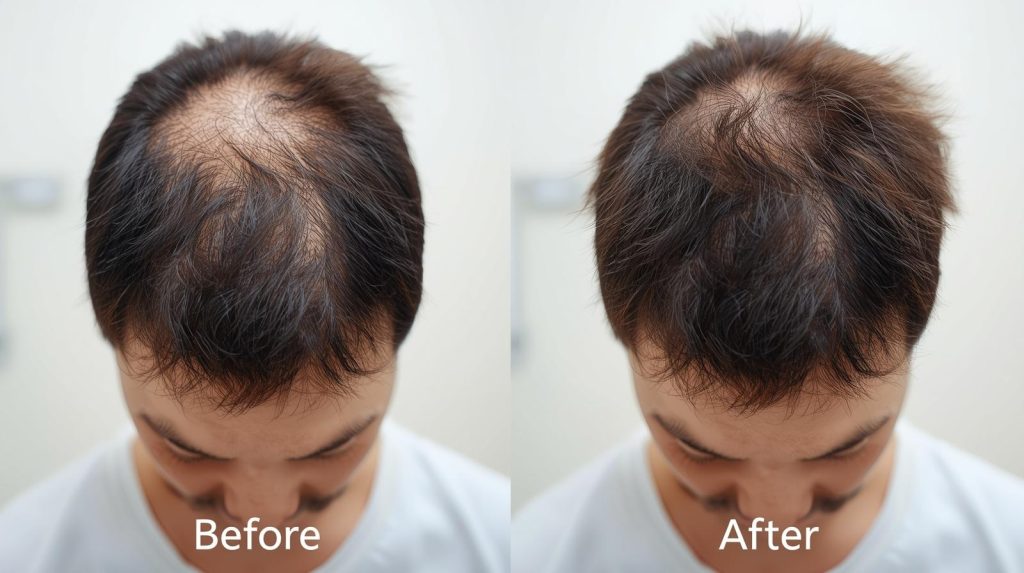
Genetic and hereditary causes of alopecia
One of the most common reasons for hair loss is genetic. If your parents experienced this problem, there is a high probability that you will inherit it too. This is called androgenetic alopecia, often observed in men but also in women. This form of alopecia manifests as a progressive thinning of hair in certain areas of the scalp.
Alopecia due to hormonal imbalances

Hormones play a crucial role in hair health. Hormonal fluctuations can lead to significant hair loss. For example, after pregnancy or during menopause, some women notice increased hair loss. In men, hormonal changes can also cause premature alopecia.
For each identified cause, there are adapted solutions that could help you counteract this hair loss and restore your self-confidence.
Factors contributing to hair loss (alopecia)
You may have noticed that your hair seems to be thinning, which can be a cause for concern. Understanding the factors that contribute to alopecia is essential for taking care of your hair. Among these factors, stress plays a major role. During times of tension, your body produces hormones that can disrupt the natural hair growth cycle. So, take time to relax and incorporate moments of relaxation into your daily life.
Impact of stress and lifestyle on alopecia
Chronic stress doesn’t just affect your mental well-being; it also has physical repercussions, particularly on your hair. Prolonged periods of stress can lead to temporary or even permanent hair loss if not managed properly. Incorporating activities like yoga or meditation could help reduce this stress and, consequently, minimize its impact on your hair.
Influence of diet and nutritional deficiencies on hair loss
Diet also plays a crucial role in hair health. An unbalanced diet can deprive your hair follicles of the essential nutrients they need to function properly. Here are some important nutrients:
- Iron: iron deficiency is often linked to excessive hair loss.
- Zinc: this trace element helps keep the sebaceous glands around the hair follicles in good condition.
- B Vitamins: they support the production of hemoglobin, which transports oxygen to the scalp.
Consider incorporating these elements into your diet to promote healthy and resilient hair.
Each individual is unique. If you suspect that certain aspects of your lifestyle are contributing to your hair loss, do not hesitate to consult a specialist for a personalized diagnosis tailored to your specific needs.
Diagnosing hair loss (alopecia): tools and methods
Are you concerned about your hair loss and want to understand what’s really going on? Diagnosis is a crucial step in identifying the causes of your alopecia and considering appropriate solutions. Take the time to explore the different options available to get an accurate diagnosis.
Medical consultations and analyses for alopecia
The first step is to consult a healthcare professional. A dermatologist or a doctor specializing in trichology can guide you through this process. During the consultation, they will perform a detailed clinical examination of your scalp and discuss your medical history with you. This helps identify whether your hair loss is due to genetic, hormonal, or environmental factors.
- Blood test: this may be recommended to check for any deficiencies in iron, zinc, or vitamins that could affect hair health.
- Scalp biopsy: in some cases, a small biopsy may be performed to analyze the condition of the hair follicles more closely.
Don’t hesitate to ask all your questions during these consultations to get a clear picture of the next steps.
Advanced diagnostic techniques for hair loss

If traditional methods are not sufficient, certain advanced techniques can provide additional information. Among them:
- Trichogram: this method involves examining hair roots taken from the scalp under a microscope to assess their growth cycle.
- Hair densitometry: it measures hair density in different areas of the scalp to detect diffuse or localized alopecia.
- Tensiometry: a technique that measures the force required to pull out a hair, thus identifying excessive hair fragility.
Using these sophisticated tools could be decisive in developing a personalized treatment plan. As each person is unique, it is essential that the diagnosis takes into account individual specificities to maximize the chances of success of the chosen treatment. You deserve all the necessary attention in this delicate process!
Prevention and treatment of hair loss (alopecia)
You might be wondering how to take care of your hair to prevent alopecia. The good news is that there are several methods to prevent this hair loss and even effective treatments to combat it.
Natural methods to prevent alopecia
Before considering medical treatment, why not try some natural tips? Adopting a balanced diet rich in essential vitamins and minerals can really make a difference. Foods rich in iron, zinc, and B vitamins play a crucial role in maintaining healthy hair.
- Diet: favor green vegetables, nuts, and fatty fish.
- Meditation: incorporate practices like yoga or meditation to reduce stress, which is often responsible for hair loss.
- Scalp care: remember to regularly massage your scalp with essential oils such as rosemary or argan oil, known for stimulating blood circulation.
Medical and surgical treatments for hair loss
If you find that natural methods are not enough, there are several medical options. Topical treatments such as minoxidil can be prescribed to slow down hair loss. For those seeking a more radical solution, surgical procedures like hair transplants offer impressive results.
- Medications: certain lotions or tablets can help strengthen your hair.
- Laser therapies: they stimulate hair follicles and encourage healthy regrowth.
- Hair transplant: this is a viable option if you are looking for a lasting result. It involves transplanting your own follicles to thinning areas.
Remember that each case is unique. It is always best to consult a specialist who can guide you towards the treatment adapted to your specific situation. You deserve to feel confident in your appearance, and with these solutions, you are on the right track!
